
Asbestos News
-
How Do You Spot Asbestos In Your Workplace?
Asbestos remains a serious workplace hazard across Australia, particularly in buildings constructed or renovated before the late 1980s. While many people assume asbestos is easy to identify, the reality is very different. In most cases, asbestos is neither visible nor obvious, and it cannot be safely identified without professional testing. That’s why engaging a licensed…
-


Silica and Asbestos Detected In Brisbane Underground Metro Site
The detection of silica dust at the Brisbane Underground Metro site, combined with the discovery of asbestos in imported construction materials, underscores that hazardous materials continue to pose serious risks to major infrastructure projects. These events highlight why vigilance, early intervention, and professional asbestos audits and asbestos surveys are essential to protect workers, maintain compliance,…
-


NSW Environmental Protection Agency (EPA) – A Watchdog For Asbestos Contamination Sites in Sydney
Asbestos may be banned in Australia, but asbestos law remains a critical and actively enforced area of regulation, particularly in New South Wales. A major investigation launched by the NSW Environment Protection Authority in late 2024 underscores the persistence of asbestos contamination and the need for proactive testing and compliance for organisations operating across Sydney…
-


A Reminder Of The Importance Of Pre-Construction Asbestos Testing And Removal: Dutton Park Primary School Case Study in Brisbane.
Asbestos has been banned in Australia for decades, yet it remains present in many older buildings, underground services, and contaminated fill across Brisbane and other Australian cities. The Dutton Park Primary School case serves as a timely reminder that proactive planning through an asbestos pre-construction survey and properly managed, licenced asbestos removal are not optional…
-


Understanding The Risk Of Asbestos Contamination From Imported Products
When most Australians think about asbestos exposure, they picture old homes, aging infrastructure, or historical industrial sites. Few consider that asbestos contamination can reach Australian shores today, hidden within seemingly innocuous imported products. Yet the reality is stark: despite Australia’s complete ban on asbestos since 2003, contaminated products continue to slip through border controls, creating…
-
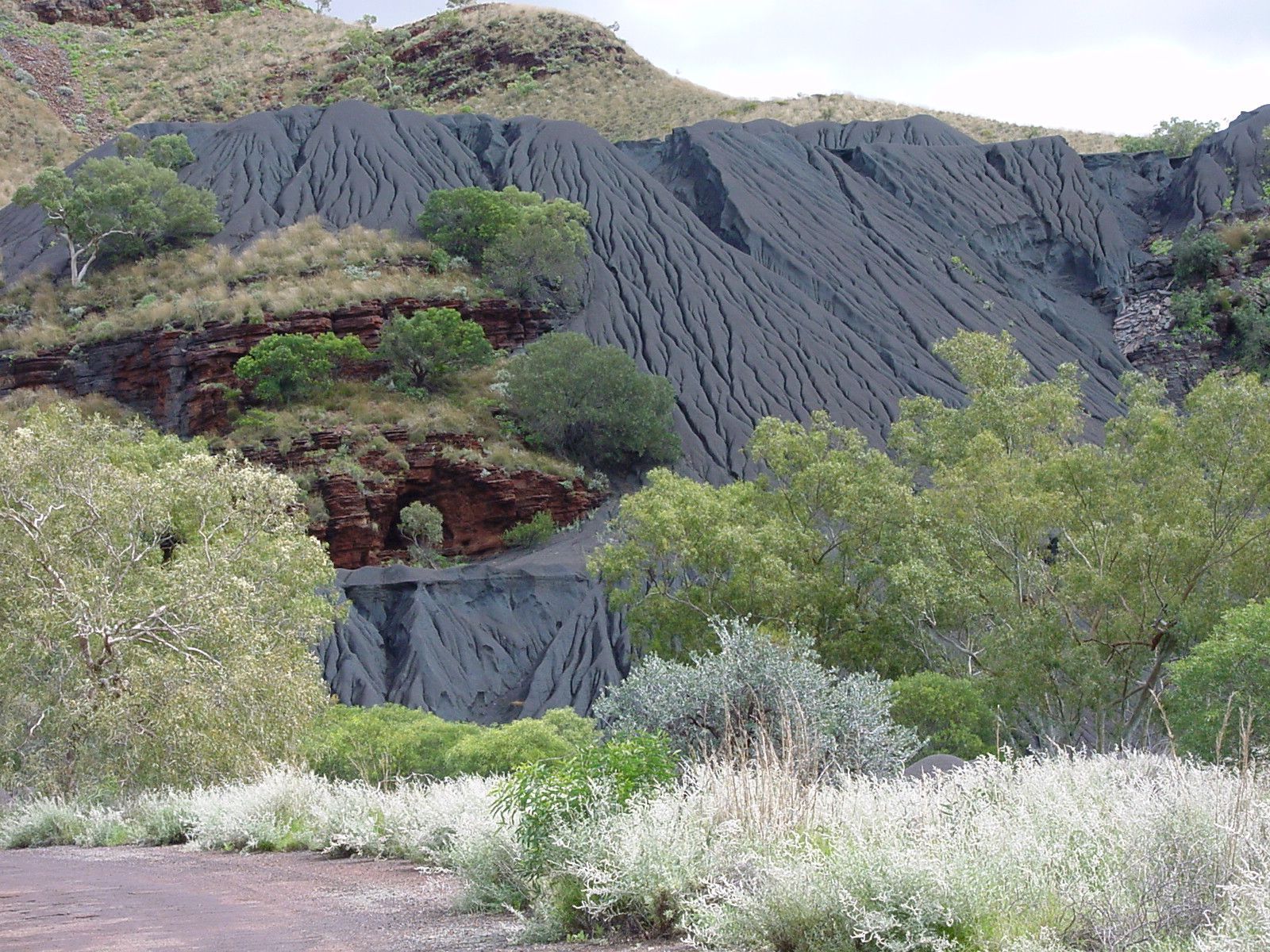

Legal Implications For Workplaces With Detected ACMs: Wittenoom Mine Case Study
When asbestos-containing materials (ACMs) are discovered in a workplace, the response cannot be delayed, minimised, or ignored. The consequences of failing to manage detected ACMs properly extend far beyond immediate health concerns, encompassing decades of legal liability, community devastation, and irreversible environmental contamination. No case study illustrates these catastrophic implications more powerfully than Wittenoom, Western…
-

Are The Protocols For Asbestos Removal Too Stringent?
When news footage emerged of workers in full hazmat suits carefully removing double-bagged craft sand from schools and retail stores while walking on protective black plastic sheeting, many Australians questioned whether the response was excessive. The recent discovery of asbestos in brightly coloured decorative/craft sand products sold at major retailers such as Woolworths and Officeworks…
-

A Brief History of Asbestos-Containing Materials (ACMs) in Australia
Asbestos first entered the Australian market in the late 1800s through imported products, long before large-scale domestic manufacturing began. By the early 1900s, Australian companies were producing asbestos-containing materials (ACMs), and by around 1917, the manufacture of building-grade asbestos cement (AC) products had begun in earnest. Production expanded dramatically through the mid-20th century and continued…
-


Asbestos Management In Commercial Properties
Asbestos management in commercial properties is a legal and safety requirement in Australia, particularly for buildings constructed before 2004. It involves identifying and documenting asbestos, developing a management plan, and implementing strict control measures to protect workers, tenants, and contractors from exposure. Global Asbestos Audits is an Australian authority in asbestos inspections and management plans…
-


How Often Should You Conduct a Commercial Asbestos Inspection?
Managing asbestos safely is a legal and moral responsibility for every commercial property owner and manager in Australia. A commercial asbestos inspection is a vital part of ensuring workplace safety, maintaining compliance with legislation, and protecting the health of employees, contractors, and visitors. But how often should these inspections be conducted? In this article, we’ll…
-
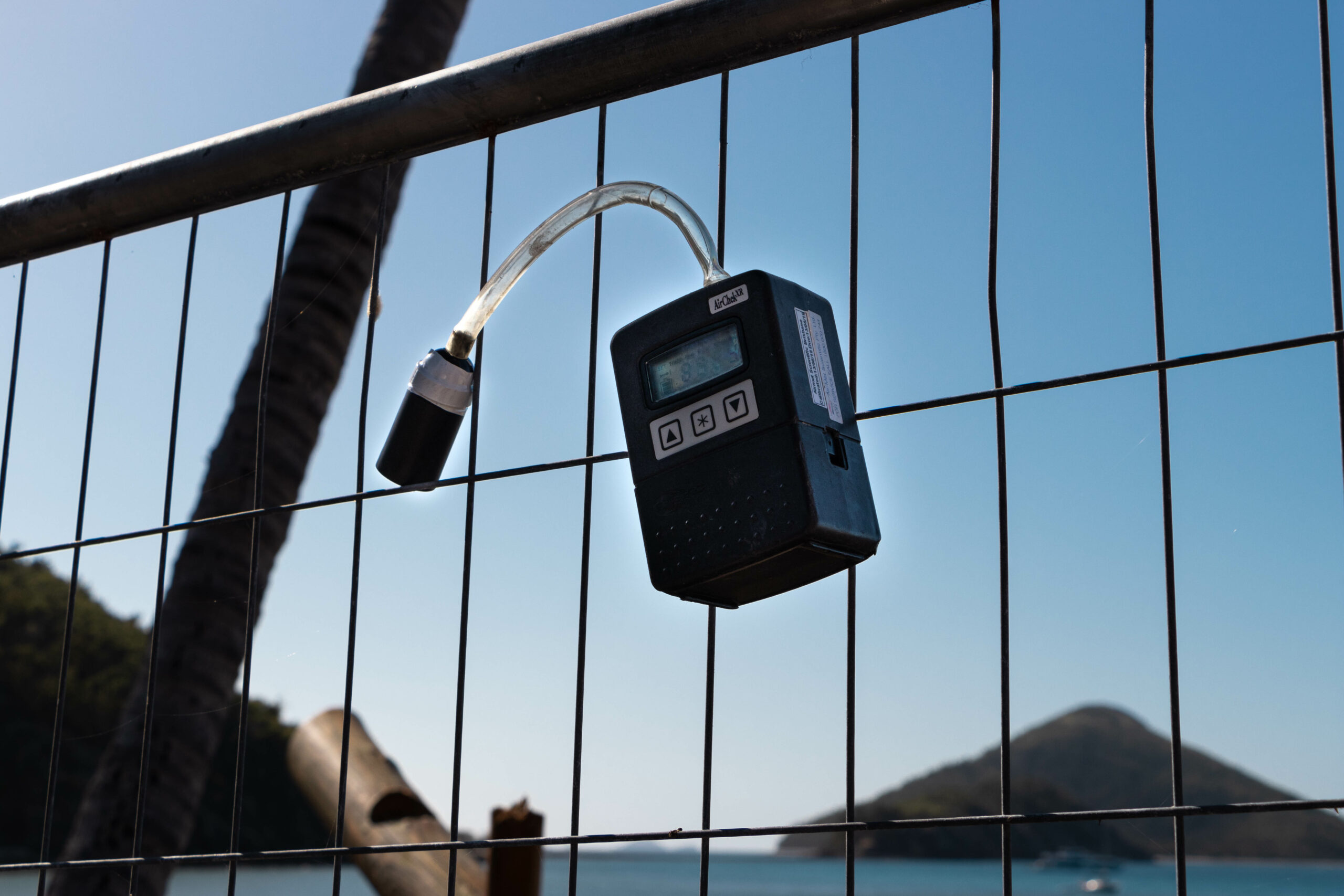
What Is The Procedure For Asbestos Air Testing?
When managing buildings that may contain asbestos-containing materials (ACMs), ensuring the air is safe to breathe is a critical step. Asbestos air testing (also known as air monitoring) is the process of sampling and analysing airborne asbestos fibres to assess exposure risks and verify the effectiveness of control measures. This article outlines the step-by-step procedure,…
-
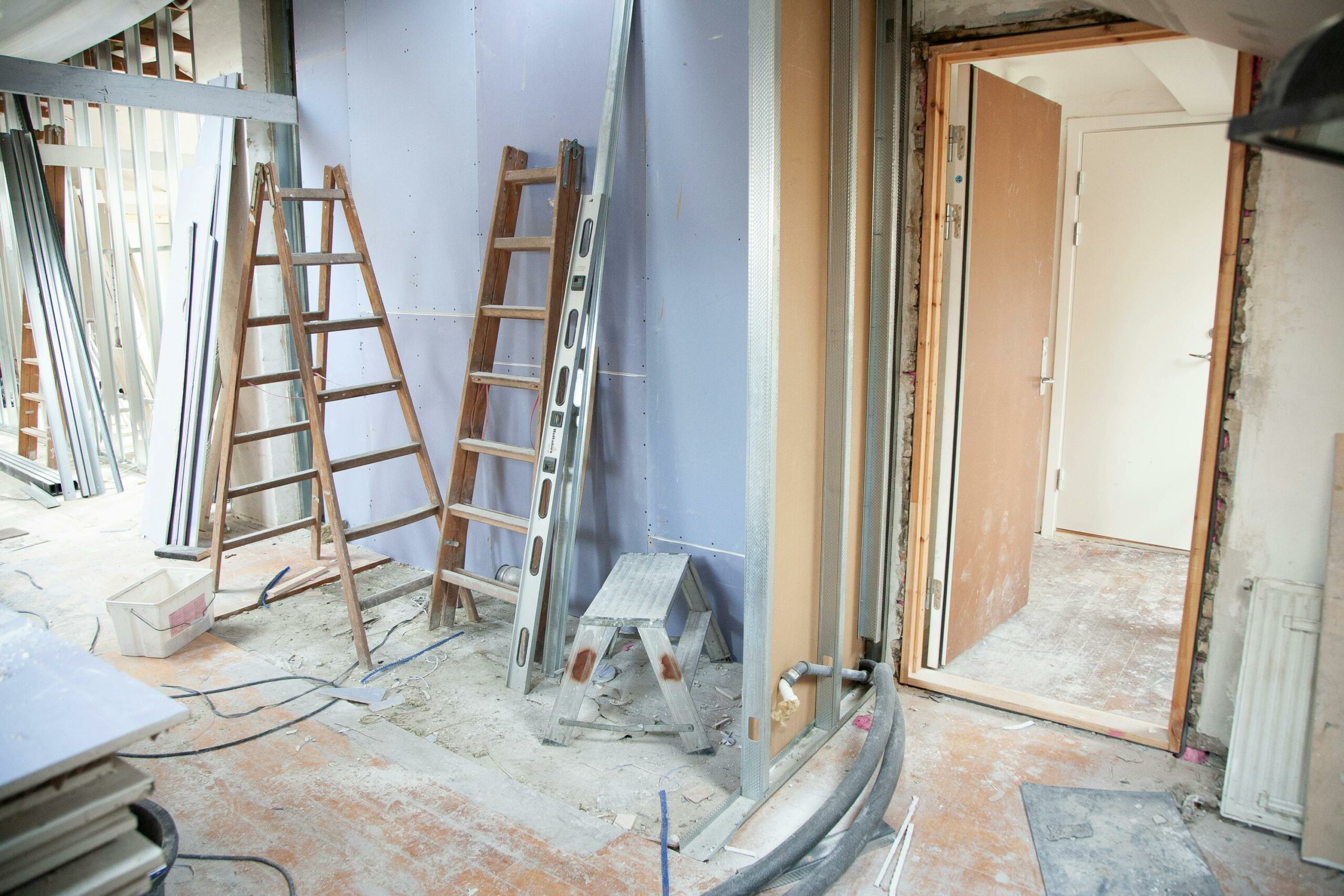
Does Cement Sheet Contain Asbestos?
Cement sheeting is one of the most common materials in Australian buildings constructed before the early 1990s that may contain asbestos. Whether used for wall cladding, eaves, ceilings, or fences, older cement sheet products often contained asbestos fibres to improve strength and durability. Determining whether your property contains asbestos requires a professional inspection and documentation…
-
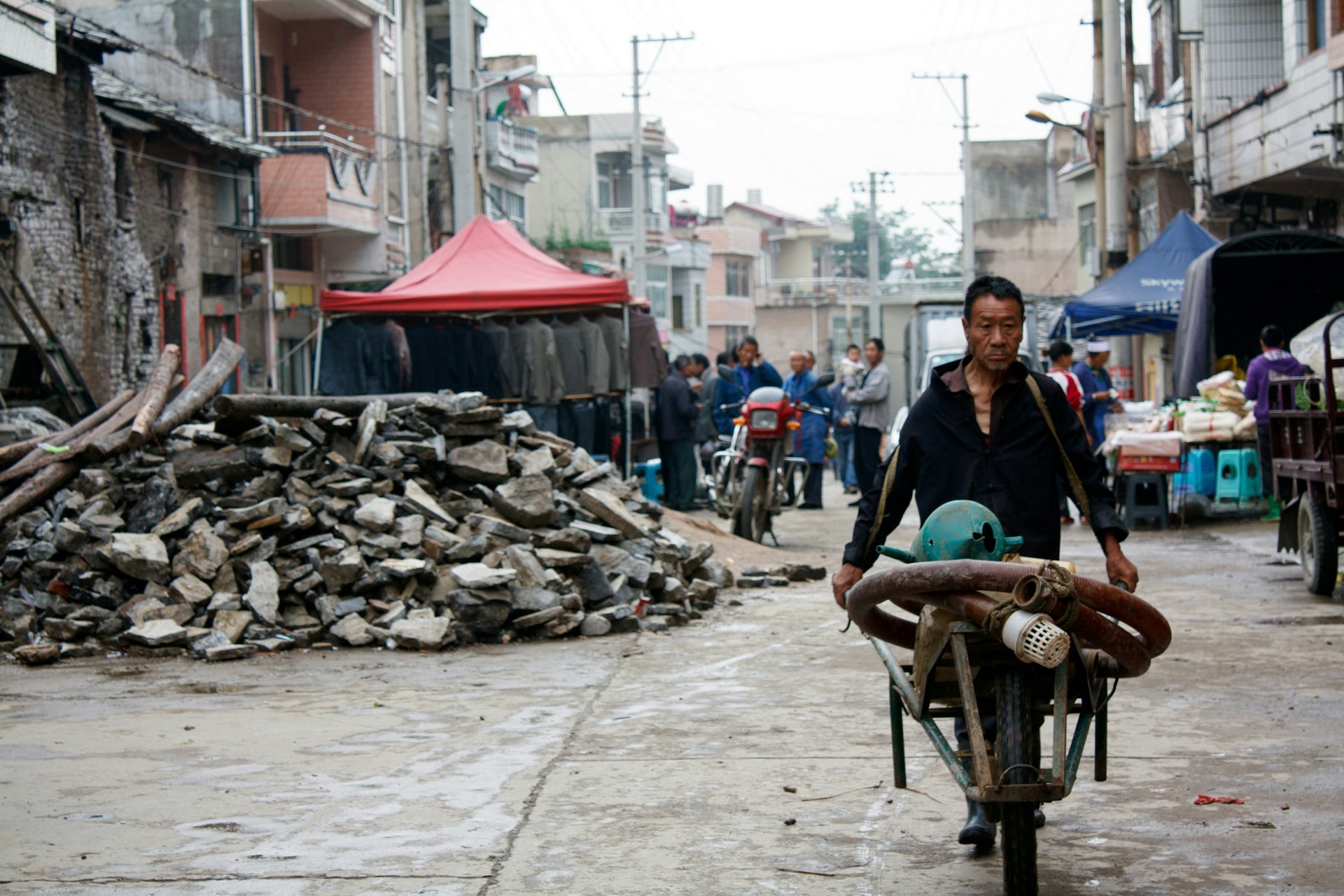

Why is Asbestos Banned in Australia and Not in Asia?
Over 20 years ago, Australia became one of the first countries to ban all forms of asbestos, recognising the severe health risks posed by this once‑ubiquitous building material. Yet, while Australians enjoy a safer built environment, many of our neighbours in South‑East Asia continue to use asbestos widely, raising questions about public health, legal standards,…
-
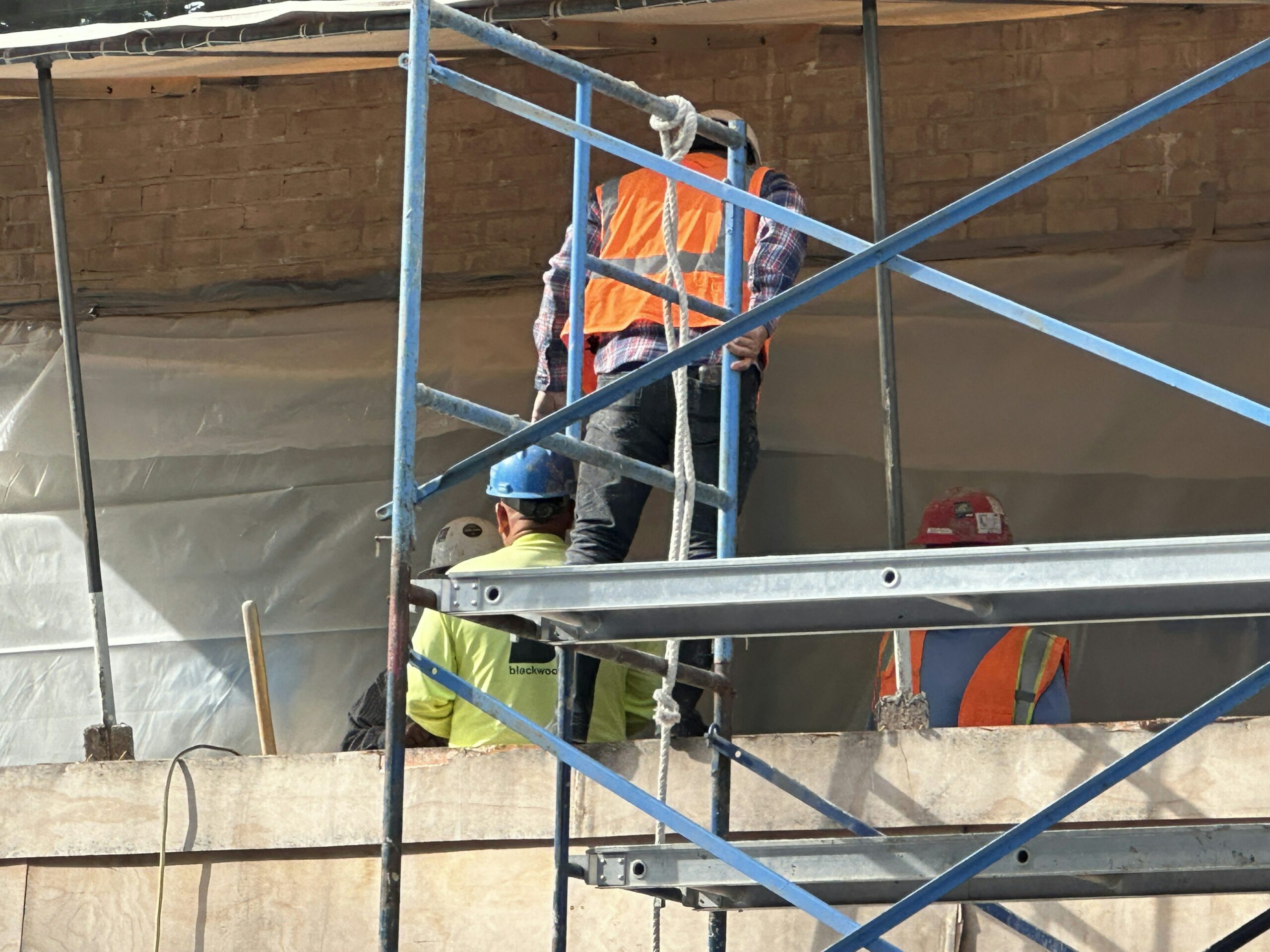

“This Building Contains ACM!” Considerations for Tradies Entering Commercial Properties
If you hear the warning “this building contains ACM”, it’s essential for anyone entering the site, including electricians, plumbers, builders, and other tradespeople, to understand the risks and responsibilities involved. Asbestos-containing materials (ACMs) continue to pose a significant hazard in many commercial properties, and their proper management is crucial for maintaining health, safety, and ensuring…
-

I’ve Found Asbestos in My Property – Now What? Considerations for Landlords
Discovering asbestos in your commercial property can be alarming, but knowing what steps to take is critical to ensure safety, compliance, and peace of mind. At Global Asbestos Audits, we help commercial property owners and managers navigate the complex world of asbestos management, from assessment to asbestos clearance. Step 1: Stop And Assess: Conduct a…
-

Defining ACM: What Commercial Property Owners Need to Know
If you own or manage a commercial property, understanding ACMs is essential for safety, compliance, and risk management. At Global Asbestos Audits, we specialise in helping businesses identify and manage asbestos-containing materials in commercial buildings. Define ACM: What Is It? ACM stands for Asbestos-Containing Material. These are materials that contain asbestos fibres, which can become…
-

Understanding the Queensland Asbestos Register Requirements: What Property Owners Need to Know
Understanding the Queensland Asbestos Register Requirements is essential for property owners, facility managers, and builders. Compliance is not only a legal obligation; it protects people, property, and your business from the serious risks of asbestos exposure. Global Asbestos Audits, based in Brisbane, is an award-winning provider of asbestos environmental compliance, assessment, and reporting services. We…
-

Can You Remove Asbestos Yourself?
Commercial Property Risks and Safety Measures Asbestos is a hazardous material commonly found in older commercial properties, including office buildings, warehouses, and schools. While some property owners may consider DIY removal, removing asbestos yourself is extremely dangerous and strongly discouraged. For commercial properties, professional management and safety procedures, including asbestos air monitoring, are essential to…
-


Asbestos Testing Canberra: Safeguarding Commercial Properties
For businesses, workplaces, and commercial facilities in Canberra, asbestos testing is not just a safety measure; it’s a legal obligation. Asbestos-containing materials (ACMs), often found in older commercial buildings, pose serious health risks if disturbed. Professional asbestos testing in Canberra ensures compliance with Work Health and Safety (WHS) laws and protects employees, contractors, and visitors.…
-
Asbestos Dumping Case Study in Adelaide
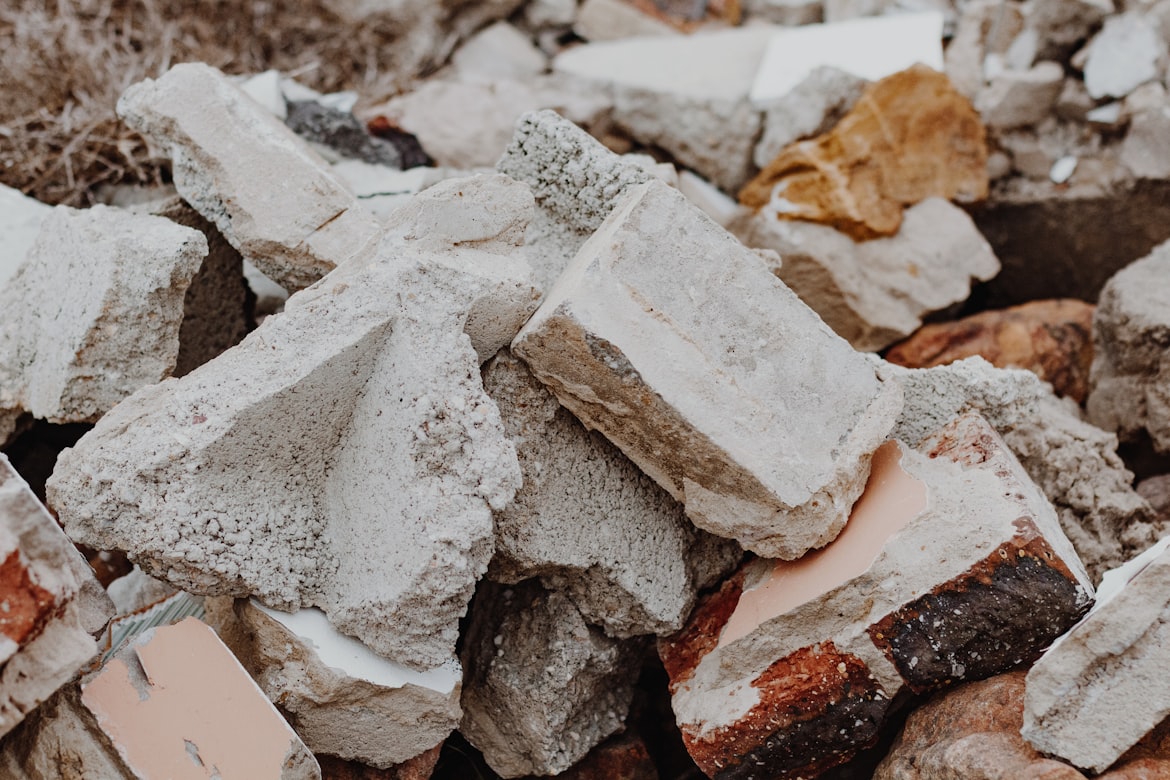
Illegal asbestos dumping is a serious environmental and public health risk, and the consequences for offenders can be severe. A notable case in Adelaide highlights the dangers, legal ramifications, and the importance of proper asbestos management. The Incident: Illegal Asbestos Dumping in Adelaide In 2017, Port Adelaide Salvage, a demolition company, and its director, Maurizio…
-
I have a new building: Do I still need to do asbestos checks?
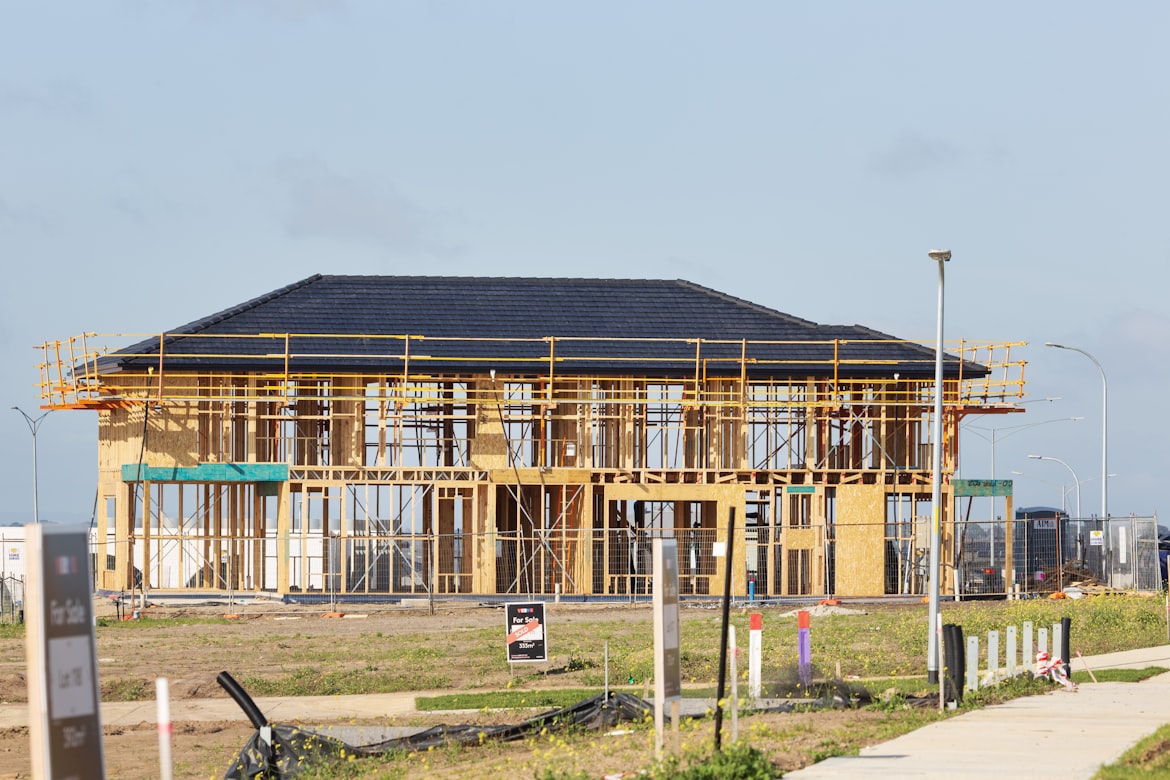
When it comes to new buildings, many commercial property owners and managers assume that asbestos is not a concern. After all, asbestos was largely phased out in building materials in the early 2000s. However, the presence of asbestos-containing materials (ACMs) in any property, whether newly built or older, remains a relevant issue. Asbestos identification and…
-


The Importance of Asbestos Awareness Training for Commercial Property Managers
Asbestos remains a serious concern for property managers and body corporate managers, especially in older commercial buildings. Given its potential health risks, including asbestosis, lung cancer, and mesothelioma, managing asbestos-containing materials (ACMs) is crucial to ensuring a safe environment for tenants, contractors, and staff. One of the most effective ways to prevent asbestos exposure is…
-


Common Misconceptions About Asbestos in Commercial Buildings
Asbestos remains a significant concern for property owners and managers, especially in commercial buildings constructed before the 1980s. Despite extensive regulations and heightened awareness around asbestos risks, several misconceptions continue to circulate, which can lead to improper handling and potential legal liabilities. In this article, we address some of the most common misconceptions about asbestos…
-

Understanding Asbestos Risk Management in Commercial Properties
Asbestos, historically widely used in the building industry, is now a significant health and safety concern for property owners and managers. Commercial properties, particularly those built before the 1980s, may contain asbestos-containing materials (ACMs) that pose a risk to tenants, employees, and contractors if not correctly managed. In Australia, strict regulations govern the handling and…