
Author: smg
-
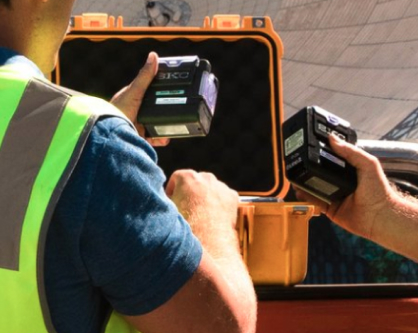
Asbestos Air Sampling: Common Scenarios Where It Is Required
Asbestos air sampling, also called asbestos air monitoring, is a technical process that measures airborne fibre concentrations and compares them against a recognised exposure standard. Unlike bulk sampling, which identifies whether a material contains asbestos, air sampling addresses a different question: whether asbestos fibres are, or have been, present in the air at a level…
-


What Is ACM? Common Mistakes PCBUs and Directors Make
The term ACM, short for asbestos-containing material, appears throughout Australian work health and safety legislation, yet many persons conducting a business or undertaking (PCBUs) and company directors remain unsure what the term actually encompasses. This uncertainty is not trivial. Under the Work Health and Safety Act and its associated regulations, both the PCBU and its…
-
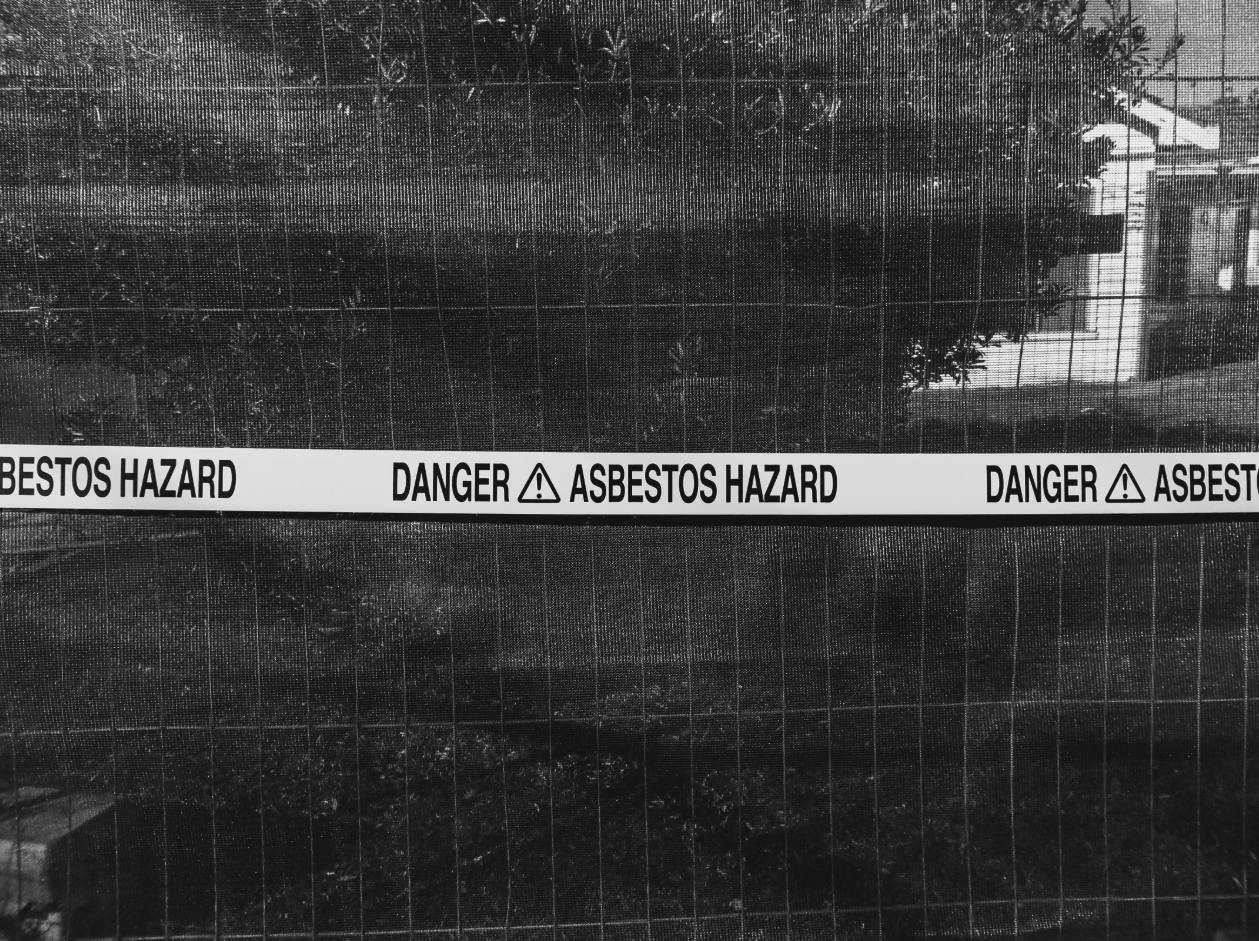

This Building Contains ACM: Do Commercial Property Owners Really Understand the Requirements?
Anyone who has worked on or around older commercial buildings in Australia will be familiar with the sign: a simple statement, often in bold black text on a yellow or white background, reading “this building contains ACM” or “Danger Asbestos”. The sign is ubiquitous enough to be almost invisible to the people who pass it…
-


Demystifying Asbestos Audits In Australia
The term “asbestos audit” is used loosely across the property and construction sectors, often without a shared understanding of what it actually involves. For some, it refers to a brief walkthrough inspection; for others, it implies laboratory sampling, a full written report, and an ongoing management plan. This lack of a common definition contributes to…
-

Is Your Commercial Property Built Before 2004? Why Asbestos Risk Isn’t Just About Construction Date
Pre-2004 buildings are presumed to need an asbestos register – but plant, machinery, and imported equipment can carry asbestos risk into even brand-new sites. What the law actually requires.
-
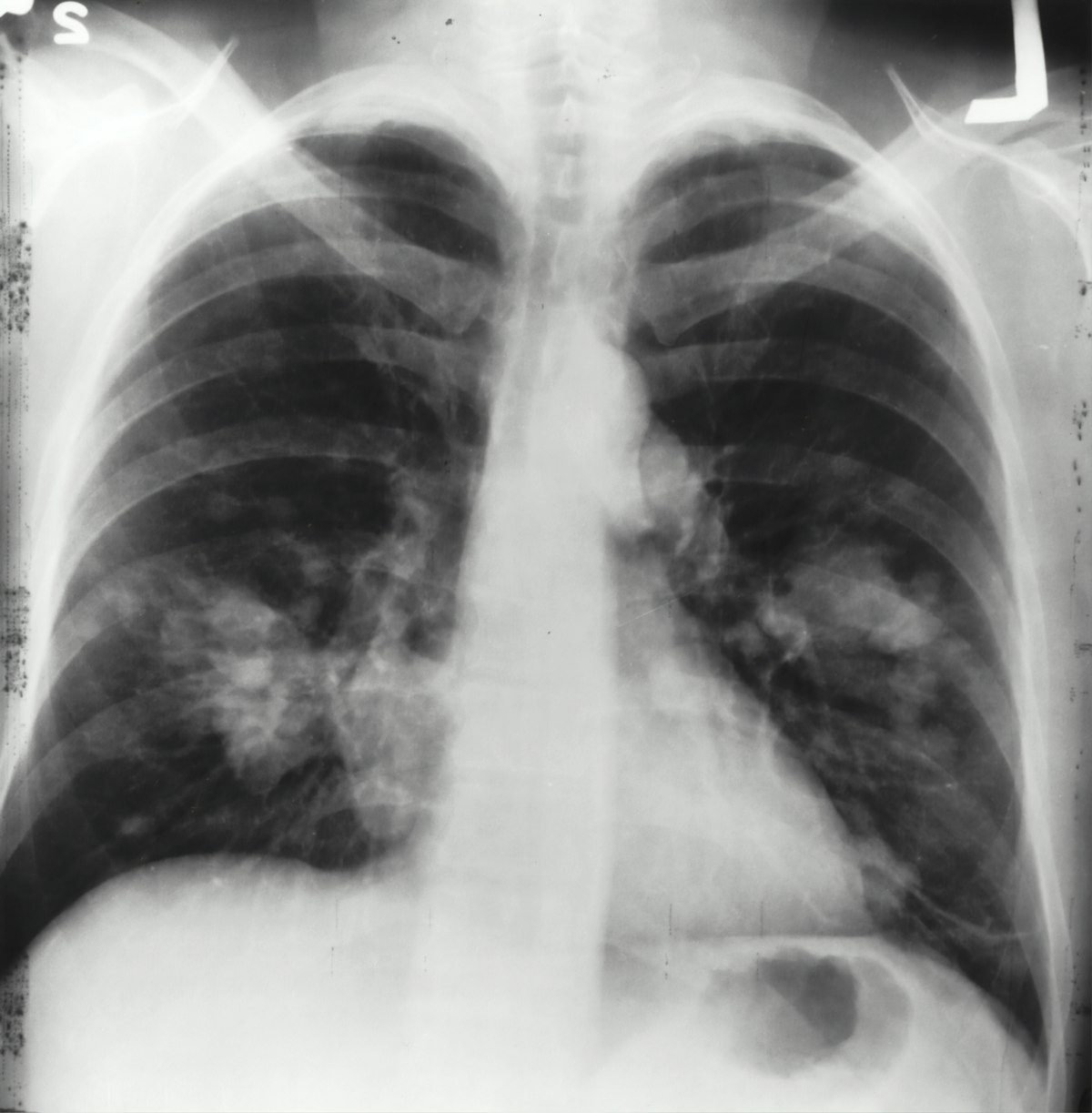

South Australia Government Releases New Plans to Protect Workers, Businesses and the Community Against Crystalline Silica Exposure
South Australia has released dedicated Asbestos and Silica Plans for 2024–2030, backed by a new SafeWork SA information hub. Here’s what the strategies cover and what they mean for businesses.
-
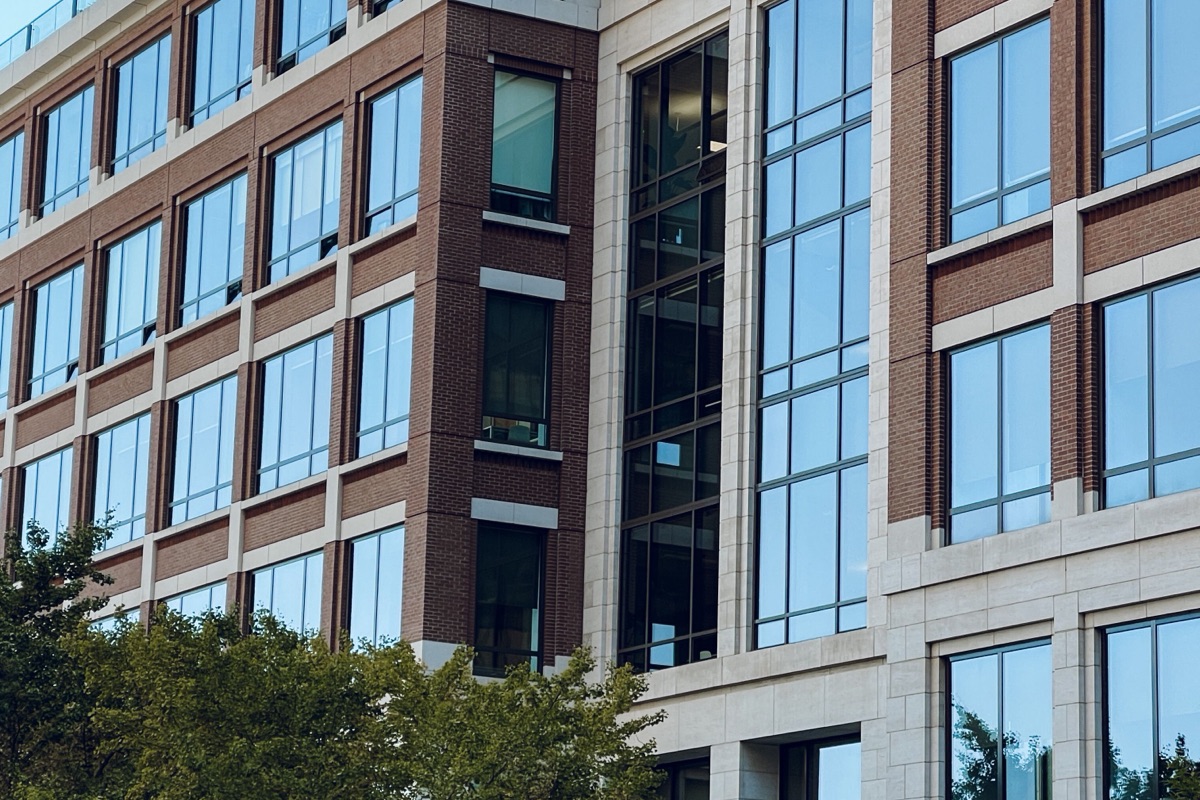
Asbestos Discovery Shuts Canberra Health Hub: A City Health Centre Case Study
Asbestos found during routine maintenance closed Canberra’s City Health Centre for months. What the 1 Moore Street closure means for ACT property and facility managers.
-

What Are the Legal Consequences When Asbestos Is Removed Without an Appropriate Asbestos Removal Licence? A SA Case Study
A $90,000 fine against an Adelaide company shows what happens when asbestos is removed without the required licence. Here’s the case, and what it means for SA businesses.
-

Asbestos Management Plan: What It Is, What It Must Contain, and Who Needs One
An asbestos management plan is a separate legal requirement from the register. Here’s what it must contain under Queensland’s WHS Regulation, and how it’s reviewed and maintained.
-

Asbestos Audit Brisbane: What’s Involved and How to Choose an Assessor
Planning an asbestos audit in Brisbane? Here’s what a commercial audit involves, what to look for in an assessor, and when you need an intrusive inspection.
-


How to Get an Asbestos Register for a Queensland Commercial Property
Need an asbestos register for your Queensland commercial property? Here’s the step-by-step process, what to expect, and how to keep it compliant.
-
Types of Asbestos Reports in Australia: Asbestos Register, Management Plan, Survey and Clearance Certificate Explained
“Asbestos report” can mean several different documents. Here’s how a register, management plan, survey report, and clearance certificate differ – and which one you need.
-


The Queensland Asbestos Register: Legal Obligations for Commercial Property Owners
Queensland commercial property owners must maintain an asbestos register under the WHS Regulation 2011. Learn what it must contain, who is responsible, and access duties.
-


What Must Be Included in an Asbestos Management Survey Report?
What a compliant asbestos management survey report must contain — from assessor details and methodology to the ACM inventory, risk assessment, and laboratory results.
-

Division 6 Asbestos Audits Explained: What the Term Means, and What Applies in Queensland and Other WHS States
“Division 6 asbestos audit” is a Victorian term. Here’s what it means and the equivalent intrusive pre-works survey duty under Queensland and other WHS jurisdictions.
-

What Is an Asbestos Audit? A Complete Guide for Commercial Property Managers
An asbestos audit identifies asbestos-containing materials in commercial buildings. Learn the audit types, the inspection process, legal duties, and how to stay compliant.
-
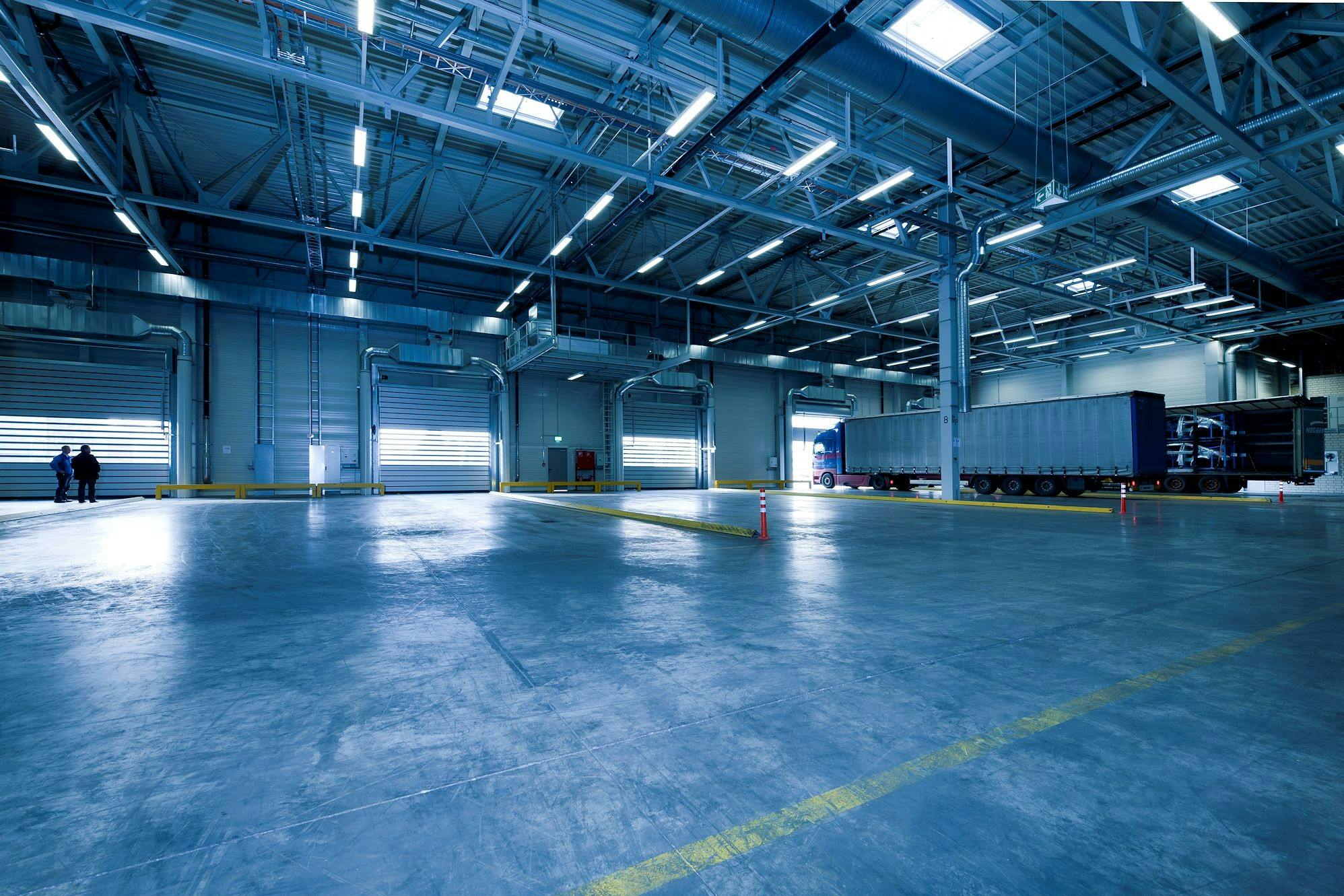

How Do You Spot Asbestos In Your Workplace?
Asbestos remains a serious workplace hazard across Australia, particularly in buildings constructed or renovated before the late 1980s. While many people assume asbestos is easy to identify, the reality is very different. In most cases, asbestos is neither visible nor obvious, and it cannot be safely identified without professional testing. That’s why engaging a licensed…
-


Silica and Asbestos Detected In Brisbane Underground Metro Site
The detection of silica dust at the Brisbane Underground Metro site, combined with the discovery of asbestos in imported construction materials, underscores that hazardous materials continue to pose serious risks to major infrastructure projects. These events highlight why vigilance, early intervention, and professional asbestos audits and asbestos surveys are essential to protect workers, maintain compliance,…
-


NSW Environmental Protection Agency (EPA) – A Watchdog For Asbestos Contamination Sites in Sydney
Asbestos may be banned in Australia, but asbestos law remains a critical and actively enforced area of regulation, particularly in New South Wales. A major investigation launched by the NSW Environment Protection Authority in late 2024 underscores the persistence of asbestos contamination and the need for proactive testing and compliance for organisations operating across Sydney…
-


A Reminder Of The Importance Of Pre-Construction Asbestos Testing And Removal: Dutton Park Primary School Case Study in Brisbane.
Asbestos has been banned in Australia for decades, yet it remains present in many older buildings, underground services, and contaminated fill across Brisbane and other Australian cities. The Dutton Park Primary School case serves as a timely reminder that proactive planning through an asbestos pre-construction survey and properly managed, licenced asbestos removal are not optional…
-


Understanding The Risk Of Asbestos Contamination From Imported Products
When most Australians think about asbestos exposure, they picture old homes, aging infrastructure, or historical industrial sites. Few consider that asbestos contamination can reach Australian shores today, hidden within seemingly innocuous imported products. Yet the reality is stark: despite Australia’s complete ban on asbestos since 2003, contaminated products continue to slip through border controls, creating…
-

Legal Implications For Workplaces With Detected ACMs: Wittenoom Mine Case Study
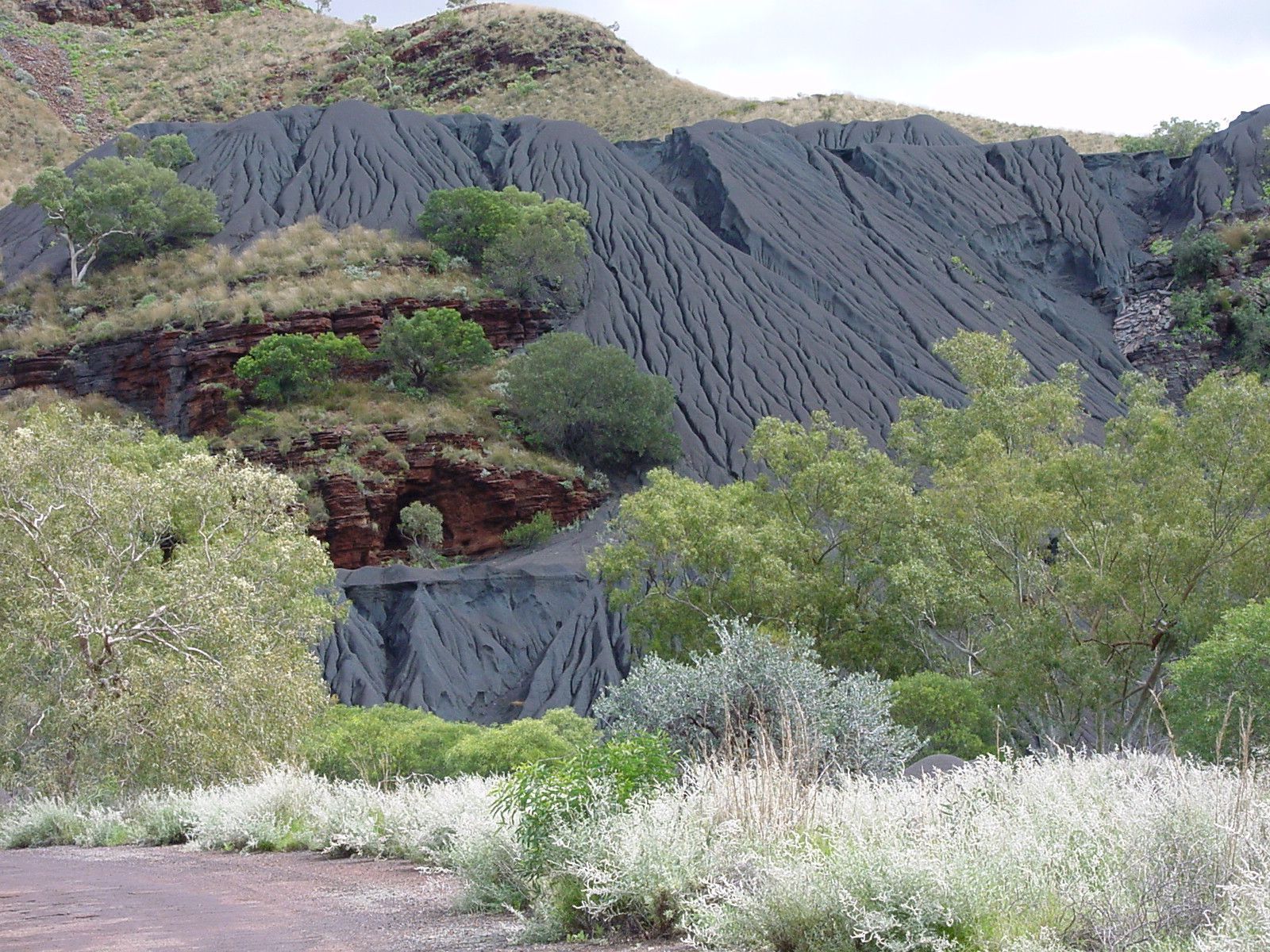
When asbestos-containing materials (ACMs) are discovered in a workplace, the response cannot be delayed, minimised, or ignored. The consequences of failing to manage detected ACMs properly extend far beyond immediate health concerns, encompassing decades of legal liability, community devastation, and irreversible environmental contamination. No case study illustrates these catastrophic implications more powerfully than Wittenoom, Western…
-

Are The Protocols For Asbestos Removal Too Stringent?
When news footage emerged of workers in full hazmat suits carefully removing double-bagged craft sand from schools and retail stores while walking on protective black plastic sheeting, many Australians questioned whether the response was excessive. The recent discovery of asbestos in brightly coloured decorative/craft sand products sold at major retailers such as Woolworths and Officeworks…
-

A Brief History of Asbestos-Containing Materials (ACMs) in Australia
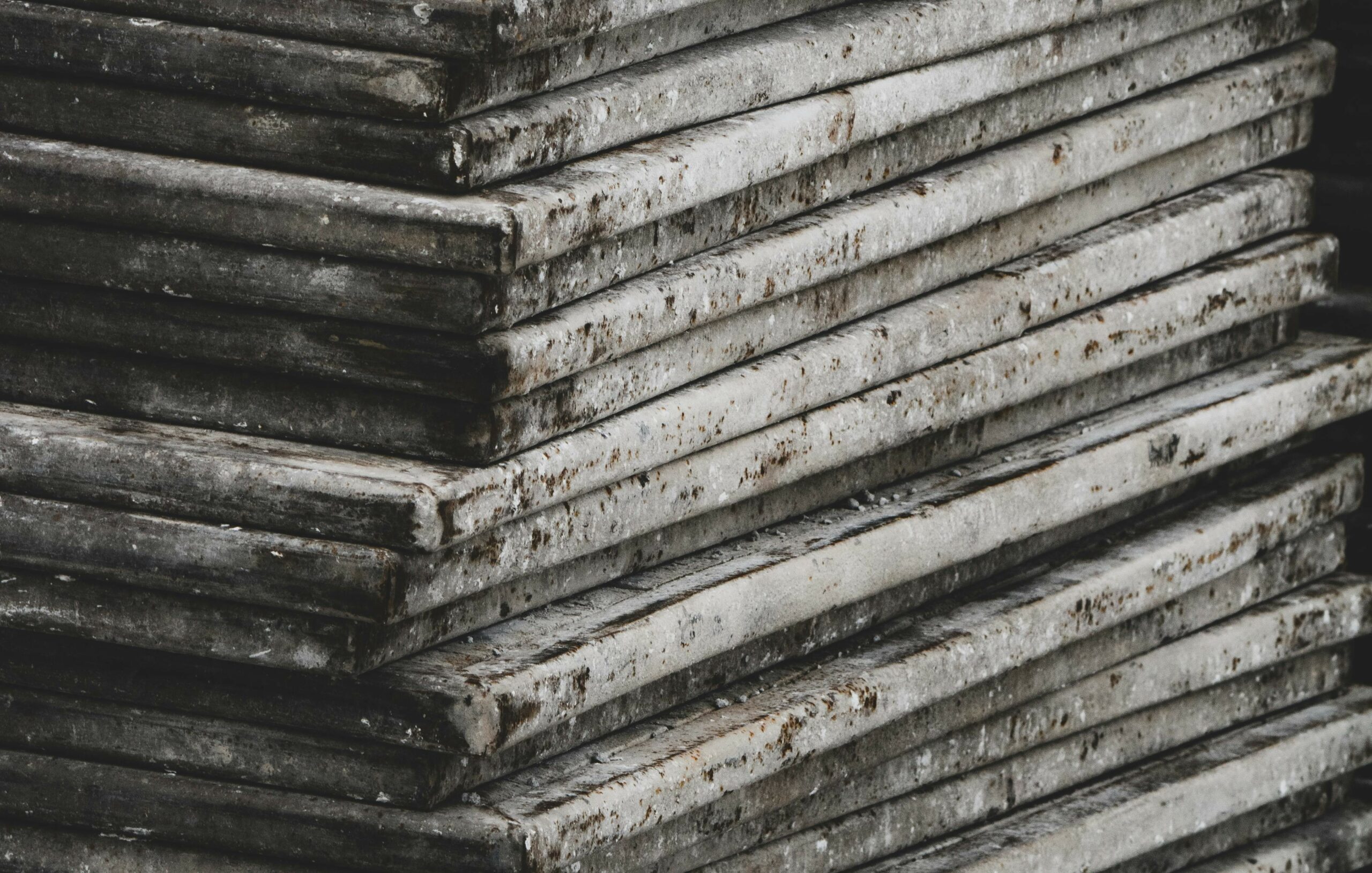
Asbestos first entered the Australian market in the late 1800s through imported products, long before large-scale domestic manufacturing began. By the early 1900s, Australian companies were producing asbestos-containing materials (ACMs), and by around 1917, the manufacture of building-grade asbestos cement (AC) products had begun in earnest. Production expanded dramatically through the mid-20th century and continued…