
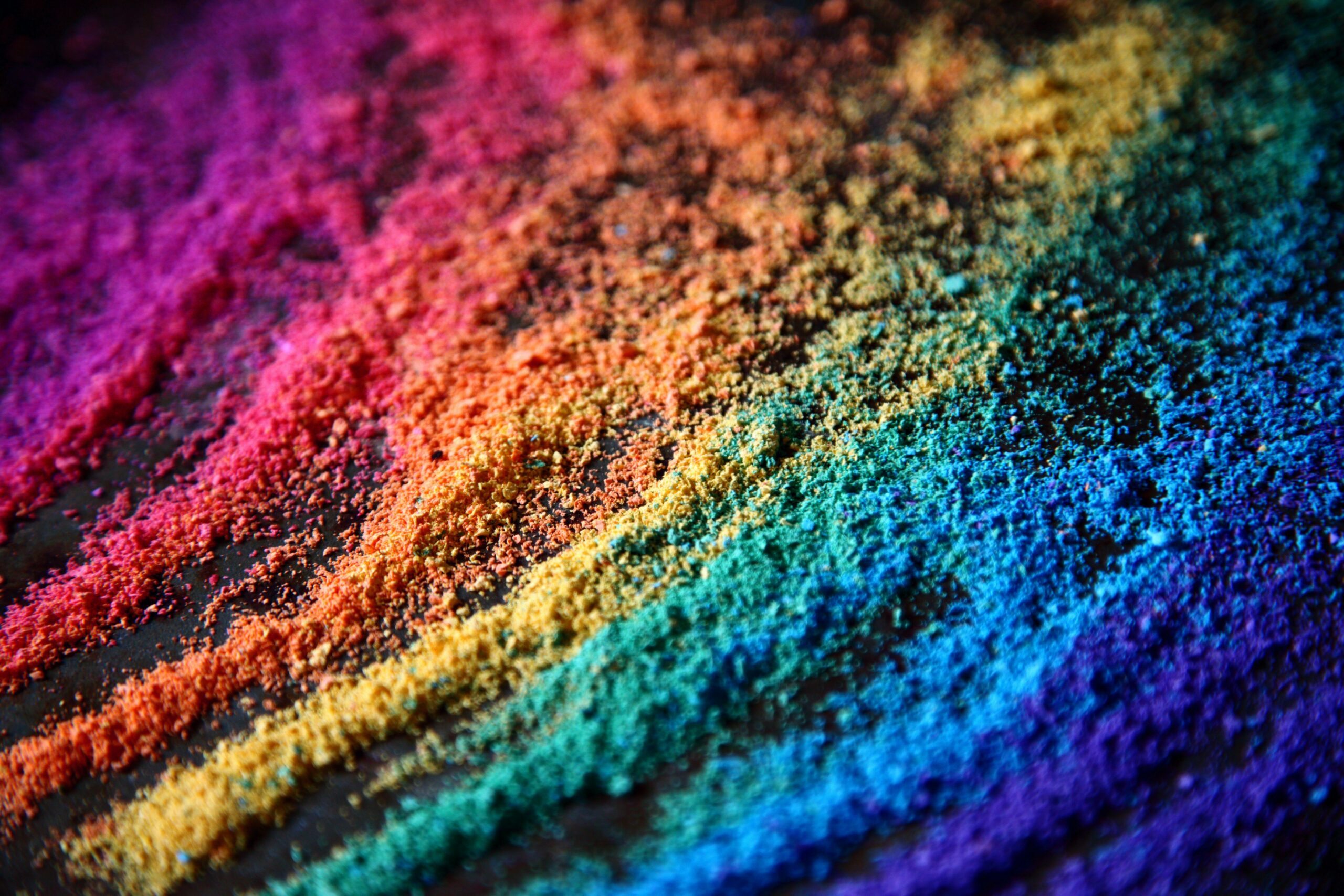
When news footage emerged of workers in full hazmat suits carefully removing double-bagged craft sand from schools and retail stores while walking on protective black plastic sheeting, many Australians questioned whether the response was excessive. The recent discovery of asbestos in brightly coloured decorative/craft sand products sold at major retailers such as Woolworths and Officeworks prompted nationwide concern and immediate product recalls. To the uninformed observer, the elaborate safety protocols might have seemed like an overreaction to what appeared to be a minor contamination issue.
However, the reality of asbestos exposure tells a very different story, one that demonstrates why strict asbestos removal protocols exist and why they must never be compromised.
Understanding the Real Asbestos Exposure Risk: The Coloured Sands Crisis
The contaminated craft sand incident serves as a powerful reminder of how quickly asbestos can infiltrate everyday environments. Laboratory testing detected tremolite asbestos, a naturally occurring form of this hazardous mineral, in samples of decorative sand intended for children’s play and educational activities. Schools across the ACT and Queensland were forced to close immediately as authorities conducted emergency testing and removal operations.
The concerning reality quickly became apparent. These products were used in school sandpits and play areas, environments in which children would have direct, prolonged contact with the contaminated material. Without swift action and proper asbestos removal procedures, the contamination could have spread throughout the entire school grounds and been carried on shoes, clothing, and playground equipment.
As Dr Anthony Linton, research director at Australia’s Asbestos and Dust Diseases Research Institute, emphasised in media statements, there is no safe asbestos exposure. While the term “naturally occurring asbestos” may suggest something less hazardous, experts warn that this characterisation can be misleading. Asbestos is asbestos, regardless of its origin, and exposure to even small amounts can lead to devastating health consequences, including asbestosis, mesothelioma, and various lung cancers.
Why Asbestos Removal Protocols Exist
The elaborate safety measures that might appear excessive to casual observers are, in fact, carefully designed responses to the unique hazards posed by asbestos. When asbestos-containing materials are disturbed, microscopic fibres can become airborne and remain suspended in the environment for extended periods. These fibres are invisible to the naked eye and can travel significant distances, contaminating areas far from the source.
This is precisely why workers wore full protective equipment and why contaminated materials were double-bagged and handled with extreme care during the coloured sands recall. It’s also why black plastic sheeting was laid, creating containment zones to prevent potential fibres from spreading to other areas. Each element of the protocol serves a specific protective function.
The consequences of inadequate asbestos removal procedures extend far beyond immediate health risks. When proper protocols aren’t followed, contamination can spread undetected throughout a facility. In the case of the contaminated craft sand, schools needed to test multiple potential exposure sites because the material could have been carried throughout buildings on shoes and clothing, used in various classrooms, or stored in different locations.
Health and Legal Ramifications Of Asbestos Exposure
Australia’s stringent approach to asbestos removal isn’t arbitrary bureaucracy. It’s a direct response to the nation’s tragic history with asbestos exposure and the thousands of lives lost to asbestos-related diseases. Unlike many workplace hazards that cause immediate injury, asbestos exposure can remain silent for decades before manifesting as terminal illness. This latency period, which can span 20 to 50 years, makes prevention the only effective strategy.
The legal framework surrounding asbestos management in Australia reflects this serious health threat. Asbestos is a prohibited substance under Australian law because it is a highly carcinogenic mineral. Organisations that fail to follow proper asbestos removal protocols face significant legal liability, including substantial fines and potential criminal charges if negligence leads to exposure.
Beyond regulatory penalties, businesses and institutions that fail to manage asbestos contamination properly may face civil litigation by affected individuals. The emotional and financial costs of such failures are enormous. As Dr Linton noted regarding the coloured sands incident, parents would understandably be terrified upon learning that their children had been exposed. Although the individual risk may be small, the coordinated effort required for safe removal underscores the seriousness of any asbestos contamination.
Why “Overkill” To Asbestos Contamination Is Actually Appropriate
What appears to be excessive caution is, in fact, evidence-based practice developed over decades of understanding how asbestos behaves in the environment. The protocols for asbestos removal account for factors that aren’t immediately visible, including how asbestos fibres can become respirable when material is disturbed, how contamination spreads through air currents and with physical contact, the impossibility of determining safe exposure thresholds, and the permanent nature of asbestos-related diseases once they develop.
The ACCC’s deputy chair, Catriona Lowe, explained during the coloured sands recall that the product was found to contain asbestos in fibre bundles, which are less immediately dangerous than microscopic airborne fibres. However, the recall was implemented as a precaution, given that the situation could evolve. Fibre bundles can break down into respirable particles through everyday use, especially in play scenarios involving pouring, mixing, and handling by children.
This precautionary principle underpins all asbestos removal protocols in Australia. Rather than waiting to determine if contamination has reached dangerous levels or if exposure has occurred, proper procedures assume the worst-case scenario and implement comprehensive protective measures from the outset.
The Role of Professional Asbestos Management
The complexity of asbestos removal and management underscores the necessity of professional expertise. Proper handling of asbestos-containing materials requires specialised knowledge, equipment, and documentation. Organisations must be able to demonstrate compliance with relevant regulations and maintain detailed records of testing, removal, and disposal.
When asbestos or potential asbestos-containing materials are discovered, comprehensive testing and auditing establish the scope of contamination. Professional documentation creates a clear record of what was found, where it was located, and how it was handled. Ongoing management ensures that any remaining asbestos is appropriately monitored and that future work doesn’t inadvertently disturb undiscovered materials.
The consequences of inadequate professional management became evident during the coloured sands crisis. Retailers needed to coordinate nationwide recalls, schools required emergency closures and testing, parents faced uncertainty about their children’s exposure, and authorities scrambled to manage a situation that had already spread to dozens of locations across multiple states.
Moving Forward with Proper Asbestos Management Protocols
The coloured sands incident reinforces an essential lesson about asbestos in Australia. Despite decades of awareness and regulation, unexpected exposure scenarios continue to emerge. Products assumed to be safe may contain contaminants, and materials that appear innocuous can pose serious risks when subjected to proper testing.
This reality underscores the need for stringent asbestos removal protocols and the incompatibility of compliance with negotiation. The workers in hazmat suits removing double-bagged craft sand from schools weren’t engaged in theatrical overreaction. They were implementing proven safety measures designed to protect both themselves and the broader community from a substance that has caused immeasurable suffering throughout Australian history.
For businesses and institutions, the message is clear. When asbestos-containing materials are discovered or suspected, professional testing, documentation, and management aren’t optional extras. They’re essential protections against both health risks and legal liability. The protocols might appear elaborate, but they represent the minimum necessary response to a substance for which there is no safe exposure level.
Asbestos Compliance and Protection
At Global Asbestos Audits, we understand that navigating asbestos management requirements can seem overwhelming, especially when protocols appear complex or extensive. Our comprehensive services provide the expertise and documentation necessary to maintain full compliance when asbestos-containing materials are identified.
We offer comprehensive testing to accurately identify the presence and type of asbestos, thorough audits to assess the scope of contamination and the required response, detailed documentation to demonstrate regulatory compliance and protect against liability, and ongoing management to ensure continued safety and proper handling of any remaining materials.
The question isn’t whether asbestos removal protocols are too stringent. The real question is whether we’re willing to accept the alternative: a return to the days when asbestos exposure was treated casually, before we understood the true cost measured in lives cut short and families devastated by preventable disease.
The answer, reinforced by every incident like the coloured sands contamination, must be a resounding no. Proper protocols exist for protection, and their complete adherence is the only acceptable approach to asbestos management in Australia.
Contact Global Asbestos Audits today for professional testing, auditing, and management services that help keep your organisation compliant and your community safe when asbestos-containing materials are identified.