
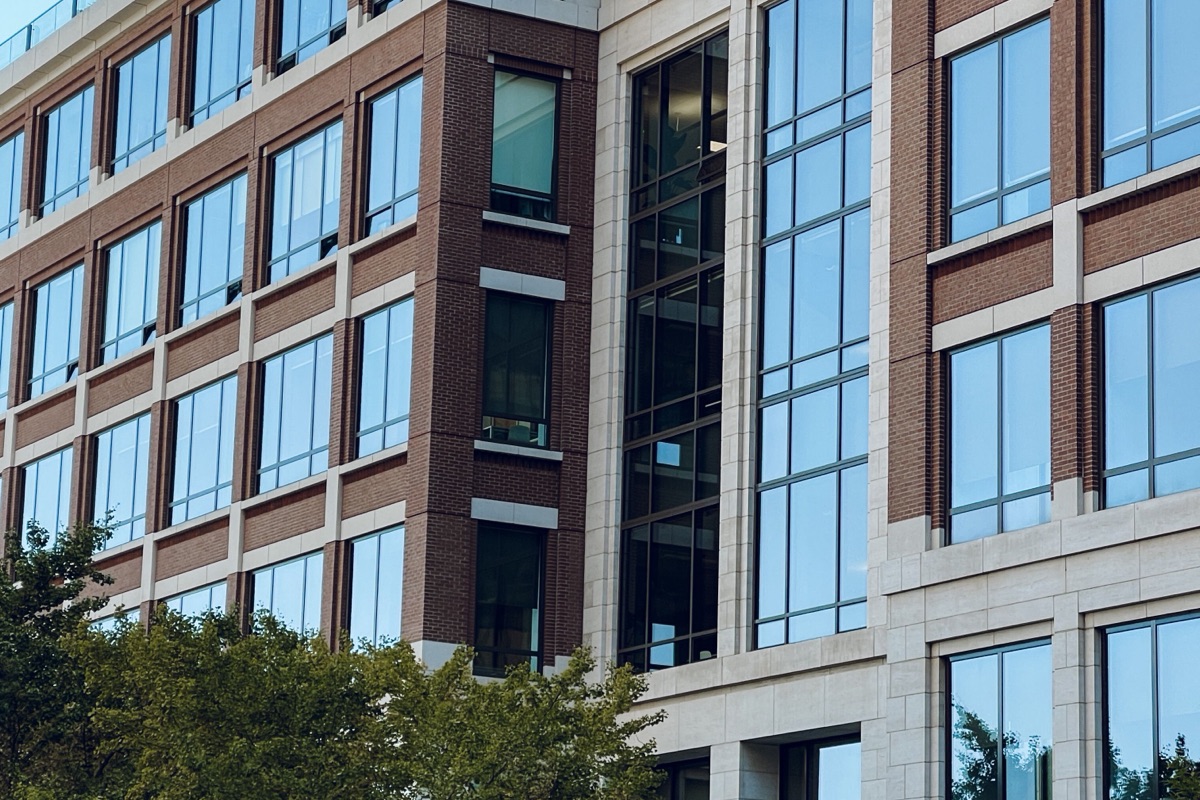
Asbestos identification is not a compliance formality. It is what stands between routine building maintenance and the extended closure of a facility relied on by thousands of people. A case still unfolding in Canberra’s CBD shows how far reaching that disruption can be when asbestos containing material (ACM) is found in an occupied public building, and why proactive asbestos audits across the ACT matter for anyone managing ageing infrastructure.
The Case: City Health Centre, 1 Moore Street
The City Health Centre, on the corner of Moore Street and Alinga Street in Canberra’s city centre, has been substantially closed since late June 2026 after asbestos containing material was discovered during routine maintenance work.
The building, constructed in the 1970s for the ACT Health Service, houses a wide range of tenants: the City Community Health Centre, the Canberra Innovation Network (CBRIN), the MSI Canberra Abortion and Contraception Clinic, BreastScreen ACT, and the canTEST pill testing service. It was also the former home of the ACT Civil and Administrative Tribunal.
How the Discovery Unfolded
During routine maintenance, staff came across dust like material inside a plant room. Rather than assume it was harmless, they isolated the plant room immediately and sent samples for testing. The result came back positive for asbestos.
Infrastructure Canberra, which manages the building, closed the site once the presence of ACM was confirmed. What began as a three day closure while specialists assessed the extent of the problem has since been extended multiple times as testing and remediation planning continued.
A Closure That Kept Growing
This is the part of the story that matters most for property managers: the closure did not resolve quickly. By early July, specialist consultants had recommended the building remain shut until at least 10 July. By mid-July, further ACM had been detected in non-occupied areas across multiple floors, pushing the likely reopening date out to early August. ACT Health Minister Rachel Stephen-Smith described the closure as a massive disruption to health services.
As of the most recent update, cleaning and remediation of the affected plant room areas has been completed, and levels 3, 4, and 5 have been cleared for tenants to reoccupy from 7 September. The ground floor, level 1, and level 2 remain closed indefinitely while Infrastructure Canberra assesses what further work is required before they can safely reopen.
Infrastructure Canberra has been consistent throughout: any decision on reoccupation will continue to be guided by expert advice, with the health and safety of occupants, tenants, contractors, and visitors treated as the priority.
The Knock-On Effect for Services and Tenants
The disruption extended well beyond the physical building. Canberra Health Services ran community health, mental health, alcohol and drug, women’s health, child and family health, dental, and screening programs from the site. With the building unusable, services were relocated to other CHS locations, shifted to telehealth, or rescheduled, with staff contacting affected patients directly to maintain continuity of care.
CBRIN moved its operations to temporary office space at 64 Northbourne Avenue while working with its Foundation Members and the ACT Government to support displaced businesses and users. BreastScreen ACT and other clinical tenants also relocated or rescheduled appointments.
Why This Case Matters for Asbestos Identification
A few things stand out from this case, and they apply well beyond one government building:
Unexpected discovery during routine work. The asbestos was not found during a planned removal project or a targeted audit. It surfaced during ordinary maintenance, which is exactly when ACM is most likely to be encountered unexpectedly in older buildings.
Immediate isolation was the right call. Sealing off the plant room before confirming the material’s composition limited the risk of fibre spread while testing was carried out.
A precautionary closure followed swiftly. Once ACM was confirmed, the response was not limited to the plant room. The building wide closure reflects how seriously ACM discoveries are treated, even before the full extent of the problem is understood.
The disruption compounded over time. What started as a plant room finding cascaded into relocated health services, rescheduled patient appointments, remote working arrangements, and a closure that, months later, still has no confirmed end date for parts of the building.
The Broader Lesson on Asbestos-Containing Material
Many buildings across Canberra, particularly older public, commercial, and community facilities, were built during a period when asbestos-containing materials were commonly used in plant rooms, insulation, flooring, roofing, and other building components. Even a building that has operated safely for decades can still contain ACM that remains undisturbed until maintenance, renovation, or ageing infrastructure brings it to the surface.
Under the Work Health and Safety Act 2011 and Work Health and Safety Regulation 2011 (as applied in the ACT), the person with management or control of a workplace has an ongoing duty to identify asbestos risks and maintain an accurate asbestos register. This is precisely why regular, proactive asbestos audits matter, not only for compliance, but for operational continuity. Identifying ACM before maintenance staff, contractors, or tenants disturb it allows organisations to plan a managed response on their own terms, rather than reacting to an emergency closure that can extend for months.
Protecting Your Building Before ACM Becomes a Crisis
The 1 Moore Street closure shows how a single undetected instance of asbestos-containing material can disrupt an entire facility, and every service operating within it, for far longer than anyone initially expects. For organisations managing public buildings, health facilities, commercial premises, or community spaces across the ACT, early and thorough asbestos identification is the difference between a manageable, planned response and an open-ended emergency shutdown.
Global Asbestos Audits is a trusted specialist in asbestos identification and auditing across the Canberra region, helping building owners and managers get ahead of these risks through comprehensive site assessments, accurate ACM identification, and clear, actionable reporting. Rather than waiting for asbestos to surface during routine maintenance, a proactive audit puts organisations in control, protecting occupants, minimising disruption, and ensuring compliance with asbestos management obligations before an issue forces your hand.