
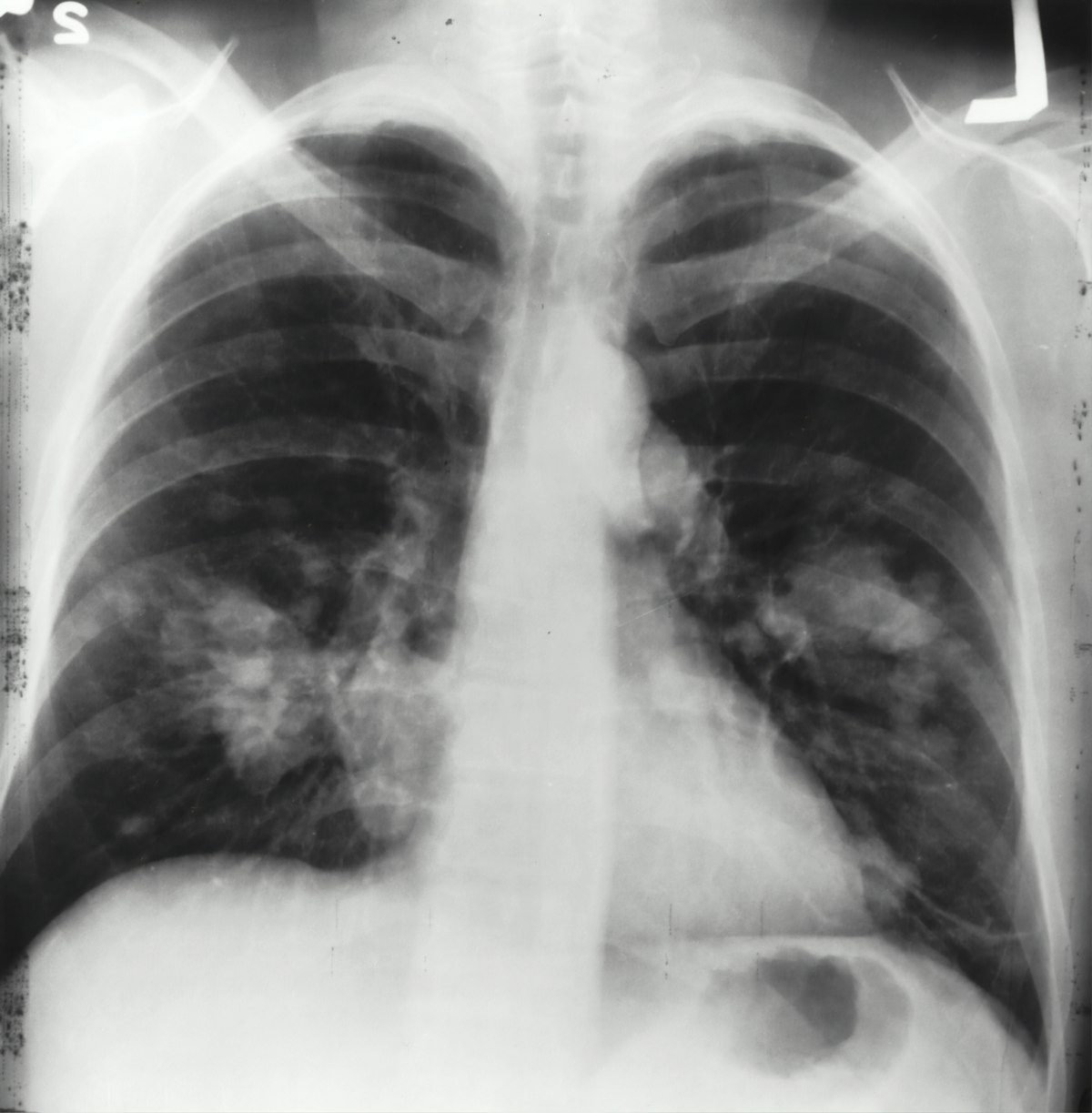
Asbestos and silica remain two of the most serious workplace and community health hazards in South Australia, despite decades of regulation. Recognising this, the state government has rolled out a coordinated response: new strategic plans paired with a dedicated public information hub, aimed at reducing exposure and helping businesses, tradespeople, and homeowners meet their legal obligations.
New State Strategy Plans for Asbestos and Silica
South Australia has released two dedicated five-year strategies: the South Australian Silica Plan 2024–2030 and the South Australian Asbestos Plan 2024–2030. Together, these plans set out the state government’s priorities and planned actions for tackling asbestos and silica risks over the next five years.
Alongside the plans, SafeWork SA has launched an expanded, combined website acting as a single, publicly accessible hub for up-to-date, evidence-based safety information on both hazards.
These state-level plans aren’t standalone initiatives. They’ve been developed to align with, and support the rollout of, the national frameworks already in place: the Asbestos National Strategic Plan Phase Three 2024–2030 and the Silica National Strategic Plan 2024–2030, both developed by the Asbestos and Silica Safety and Eradication Agency (ASSEA).
Why Asbestos and Silica Remain a Priority in South Australia
Both asbestos and silica dust pose serious long-term health risks when inhaled, and exposure can lead to severe, often irreversible disease. Clear guidance and coordinated regulatory action are essential to reducing the risk of exposure both in workplaces and in the home, which is exactly the gap these new plans and the accompanying website are designed to close.
Key priorities under the new plans
SafeWork SA has outlined several focus areas as part of the strategy, including:
- Running targeted enforcement activity to check if businesses are complying with the ban on engineered stone
- Building research partnerships with Australian universities to better understand respirable crystalline silica exposure and support health monitoring
- Developing asbestos education initiatives specifically aimed at younger South Australians, who may have limited awareness of the risks due to the age of the asbestos ban
- Helping establish a list of trades where the risk of asbestos exposure is considered significant
What’s on the New Asbestos and Silica Website
The expanded website, managed by SafeWork SA, is designed to be the go-to resource for anyone who may come into contact with asbestos or silica, from licensed removalists and engineered stone workers to tradespeople, business owners, and everyday homeowners.
The site covers:
- Hazard identification – practical guidance for recognising asbestos and silica risks across workplaces and residential settings
- Risk controls – advice on managing exposure and putting safe systems of work in place
- Health monitoring – information on when monitoring is required and what the process involves
- Licensing and training – details on licensing requirements, training pathways and competency standards
- Disposal requirements – guidance on the lawful and safe disposal of asbestos and silica-containing materials
- National reforms – ongoing updates as laws and industry practices evolve
By consolidating this information in one place, the website is intended to make it easier for South Australians to make safer decisions and stay compliant with their obligations under the state’s work health and safety legislation.
The Risk Of Asbestos Exposure
Asbestos is a known human carcinogen and has been banned in Australia since 2003. Despite the ban, decades of widespread use mean asbestos-containing materials remain present in a large number of older buildings across the state, a risk that doesn’t disappear simply because the substance is no longer legally used in new construction.
Silica presents a more recent regulatory challenge. Engineered stone products, commonly used for benchtops, panels, and slabs, contain high concentrations of respirable crystalline silica. Recognising the serious health risks tied to cutting and processing this material, Australia banned the use, supply, and manufacture of engineered stone from 1 July 2024.
The Role of Expert Asbestos Support in Meeting These Obligations
Government strategy and public information go a long way toward raising awareness, but identifying and managing asbestos risk in a specific building or worksite still requires expert, hands-on assessment. This is where specialist providers play an essential role in turning state-level guidance into practical, site-specific action.
Global Asbestos Audits works alongside business owners, property managers, and tradespeople to translate these regulatory frameworks into real-world compliance. From identifying asbestos-containing materials in older buildings to preparing audit reports, asbestos management plans, and asbestos registers that satisfy work health and safety obligations, Global Asbestos Audits helps South Australian businesses and commercial property owners stay ahead of both state and national requirements, rather than discovering a problem only after it’s already been disturbed. Our services also include crystalline silica air monitoring for workplaces managing silica dust risk.
As South Australia rolls out these new plans and strengthens its focus on early hazard identification, engaging an experienced asbestos specialist is one of the most effective ways for businesses to protect their workers, meet their legal obligations, and support the broader goal of eliminating asbestos and silica-related disease across the state.