
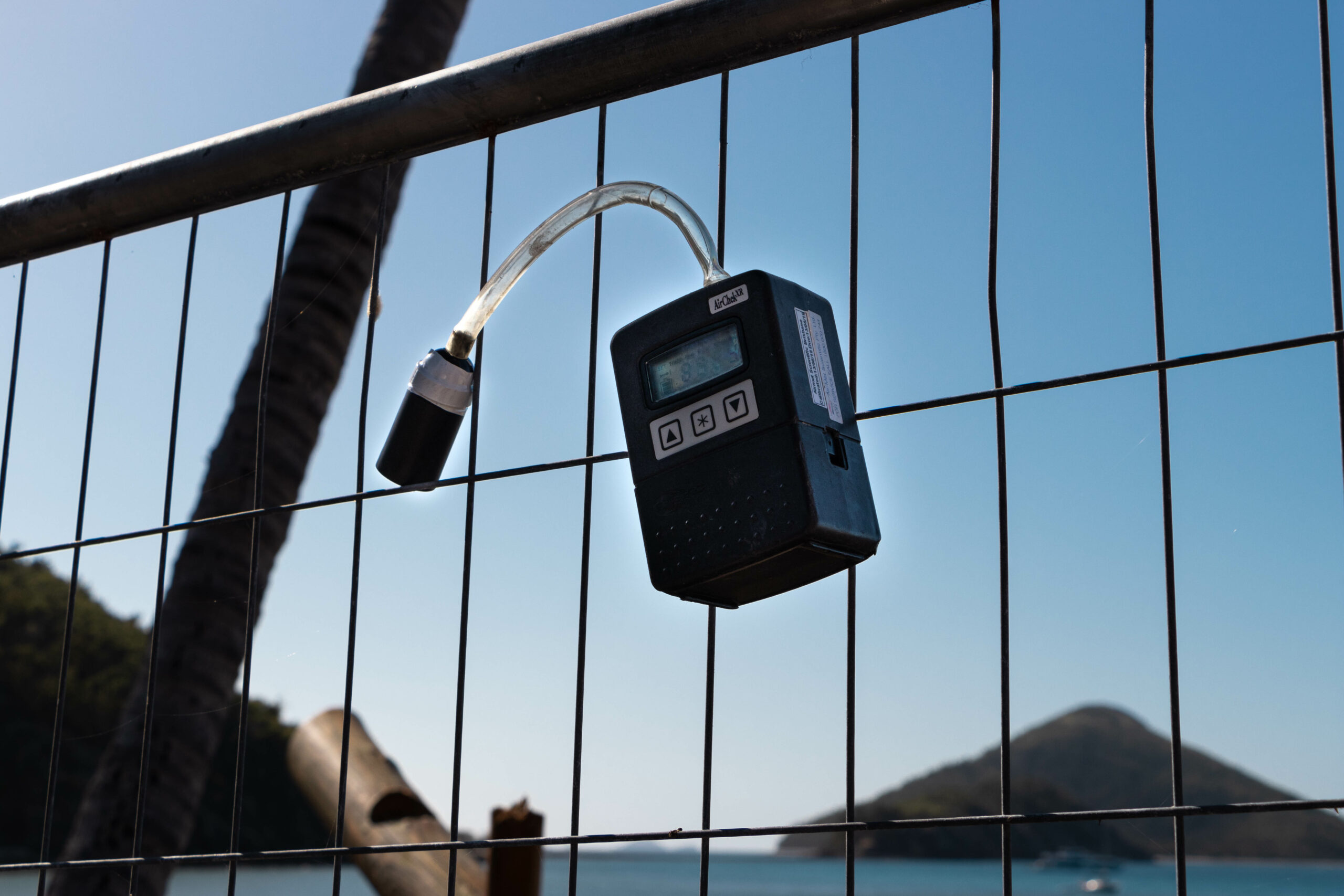
When managing buildings that may contain asbestos-containing materials (ACMs), ensuring the air is safe to breathe is a critical step. Asbestos air testing (also known as air monitoring) is the process of sampling and analysing airborne asbestos fibres to assess exposure risks and verify the effectiveness of control measures. This article outlines the step-by-step procedure, clarifies when air testing is required in Australia, and explains why it matters for safety and compliance.
Why Asbestos Air Testing Matters
Asbestos fibres are dangerous when they become airborne and inhaled. Over time, exposure can lead to serious health conditions, including Mesothelioma, Asbestosis and lung cancer. Because fibres are microscopic and often invisible, physically checking air quality through asbestos air testing is essential. Such testing helps to:
- Confirm whether ACMs have released fibres into the air.
- Verify that removal, encapsulation or control measures are working.
- Provide evidence for clearance or re-occupation of spaces.
- Aid compliance with Australian workplace and environmental regulations.
When Is Asbestos Air Testing Required?
In Australia, air monitoring for asbestos is mandatory in certain situations and “best practice” in others. For instance:
- During the removal of friable asbestos, air monitoring must be conducted before work begins, during the work, and after completion (clearance) in the removal area. asbestos.qld.gov.au+2Safe Work Australia+2
- When you cannot be sure whether airborne asbestos fibre levels may exceed the exposure standard, air monitoring must be carried out. asbestos.qld.gov.au+1
- Even for non-friable asbestos work, while not always mandated, air testing is highly recommended to verify that controls are adequate. asbestos.qld.gov.au+1
Step-by-Step: Procedure for Asbestos Air Testing
Here is a detailed walkthrough for performing asbestos air testing in commercial or industrial settings:
1. Planning and Strategy
- Define the purpose of the test: background monitoring, exposure monitoring, control monitoring (during work), clearance monitoring (after work).
- Engage a competent, licensed asbestos assessor or occupational hygienist. In most cases, air monitoring must be conducted by an independent, licensed assessor if the work involves friable ACM removal.
- Determine the sampling locations, duration, and volume of air to draw. According to the guidance note, sample duration may be at least 1 hour and preferably part of a total 4-hour (or more) sampling period, depending on the situation. Safe Work Australia+1
- Ensure all sampling equipment, filters, pumps, and logistics are in place, and that the lab is NATA-accredited for fibre analysis.
2. Conducting the Air Sampling
- Set up air-sampling pumps at the predetermined locations: either static (positional) for control/clearance monitoring or personal (in breathing zone) for exposure monitoring.
- For each sample, the air is drawn through a filter that traps airborne asbestos fibres. The flow rate, total volume, and pump calibration must meet standard protocols.
- Label each sample clearly, record start/stop times, location, conditions, and any relevant site notes (e.g., work in progress, enclosure status, weather or ventilation conditions).
- Maintain the chain of custody for samples to the laboratory.
3. Laboratory Analysis of Air Samples
- Send the filters to a NATA-accredited laboratory capable of asbestos fibre counting and identification.
- Ensure the lab uses methods such as Phase Contrast Microscopy (PCM) or Transmission Electron Microscopy (TEM) to count fibres and, if possible, identify fibre type.
- Ensure results are reported as fibre concentration per millilitre or per cubic metre of air sampled.
4. Interpretation of Air Testing Results
- Compare results against relevant exposure standards or clearance indicator levels. For example, clearance monitoring for friable asbestos often requires fibre levels below 0.01 fibres/ml (or equivalent) before the area can be re-occupied.
- Assess whether control measures (containment, negative pressure, HEPA filtration) were effective. If results exceed thresholds, further action is required (stop work, improve controls, decontaminate).
- Document findings in a written report, including methodology, sample location and conditions, results, and recommendations.
5. Reporting and Actions
- Provide the written report to the person conducting the business or undertaking (PCBU), building owner, workers, and relevant health & safety representatives.
- If the air test was for clearance, a “clearance certificate” may be issued by the licensed assessor confirming that the area is safe for re-occupation.
- Use the results to update the asbestos register, management plan, and ensure any required remediation or further monitoring is scheduled.
6. Ongoing Monitoring and Review
- Even after successful clearance, integrate regular visual checks and periodic air monitoring if ACMs remain in situ, especially in high-risk areas (e.g., plant rooms, maintenance zones).
- Review and update your asbestos management plan and register as part of your overall safety strategy.
Key Considerations For Asbestos Air Testing
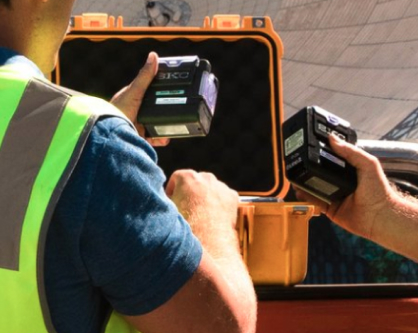
- Always engage qualified professionals: Air monitoring is not a DIY activity; incorrect sampling or analysis can give false assurance.
- Select the right monitoring strategy: Background, control, exposure, or clearance. Each serves a different purpose.
- Sampling volume matters: A small air sample may not be representative. Ensure volume and duration meet standard guidelines. Safe Work Australia
- Record all site conditions: Ventilation, workers present, containment status, and recent disturbance. All can affect interpretation.
- Understand limitations: Even if air test results are below threshold, ACMs in poor condition may still pose a risk; combine air monitoring with visual inspections and material auditing.
- Communicate results: All relevant stakeholders must be informed; workers, contractors, occupiers, especially if fibre levels exceeded thresholds.
- Plan for the worst case: Before renovations or demolition, include air monitoring as part of the work’s scope. The earlier you check, the better you avoid surprises and exposure risks.
An effective asbestos air testing procedure is a critical component of any comprehensive asbestos management strategy. By planning properly, sampling correctly, analysing through accredited labs, interpreting results sensibly and acting on findings, building owners and managers can safeguard occupants, workers and visitors and meet Australia’s stringent regulatory requirements.
At Global Asbestos Audits, we specialise in air monitoring for commercial, industrial and refurbishment projects; from pre-work baseline testing through to post-removal clearance studies. If you’re planning renovations, handling ACMs or need assurance that your building’s air is safe, contact us for accredited air testing services and peace of mind.