
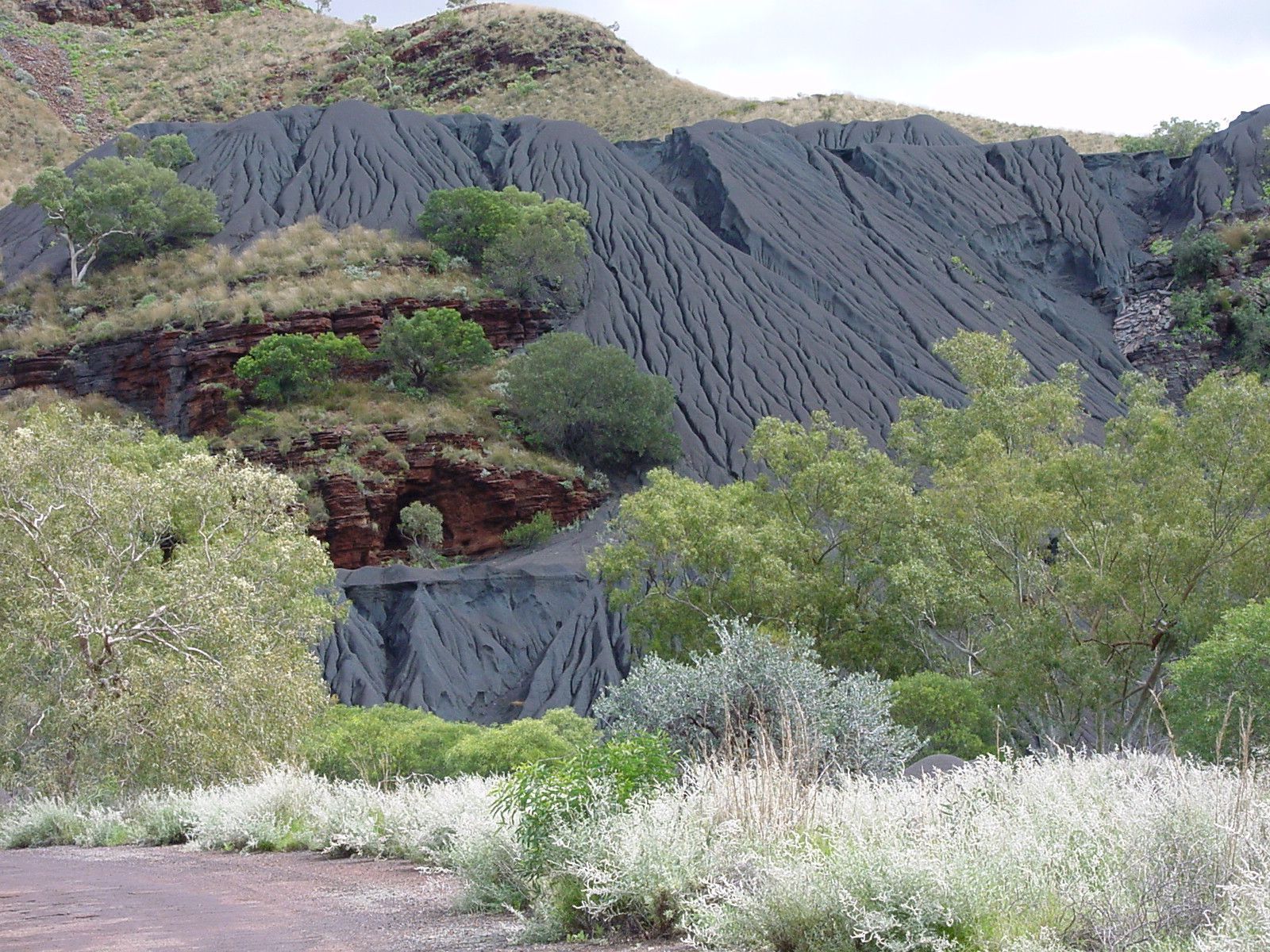
When asbestos-containing materials (ACMs) are discovered in a workplace, the response cannot be delayed, minimised, or ignored. The consequences of failing to manage detected ACMs properly extend far beyond immediate health concerns, encompassing decades of legal liability, community devastation, and irreversible environmental contamination. No case study illustrates these catastrophic implications more powerfully than Wittenoom, Western Australia, now recognised as the largest uncontained contaminated site in the Southern Hemisphere and serves as a stark warning about what happens when ACM management fails.
The Wittenoom Asbestos Tragedy: An Uncontained Disaster
From the 1930s until 1966, blue asbestos (crocidolite) was mined at Wittenoom in Western Australia’s Pilbara region. Originally partly owned by Lang Hancock, the operations were acquired by the Colonial Sugar Refining Company (CSR) through its subsidiary, Australian Blue Asbestos Ltd, in 1943. What followed was not merely an industrial failure but one of the most significant industrial disasters in Australian history, with legal and health ramifications still unfolding more than 60 years after the mine’s closure.
The scale of contamination defies comprehension. Three million tonnes of asbestos waste now contaminate 46,840 hectares of Yurlu Country, the traditional lands of the Banjima people. The contaminated area spans eight times the size of Sydney Harbour, earning comparisons to Chernobyl. Asbestos tailings are carried by wind, spread through waterways, and continue to contaminate the land and its people decades after mining operations ceased.
The human cost has been equally devastating. More than 2,000 former mine workers and residents of Wittenoom have died from asbestos-related diseases, including mesothelioma, asbestosis, and lung cancer. Among the most affected are the Banjima people, who now have the highest mortality rate from mesothelioma in the world. Many victims died in their 40s, never living to see old age or pass on their cultural knowledge to future generations.
Western Australia’s Burden: Highest Mesothelioma Rates in the Nation
Western Australia carries a disproportionate burden of mesothelioma with 3.2 cases per 100,000 people, substantially higher than the national average of 2.2 cases per 100,000. This elevated rate directly reflects the legacy of Wittenoom and the extensive use of asbestos products throughout the state during the mining era. Australia as a whole has one of the highest measured rates of mesothelioma globally, with approximately 700 to 800 new diagnoses each year, but Western Australia’s rates exceed even this troubling national figure.
The contamination continues to spread. Rain and erosion have displaced asbestos waste into creeks that flow into the Fortescue River catchment. Government reports warned that asbestos tailings would continue spreading for hundreds of years without remediation. These predictions have proven accurate, with contamination now detected outside the original exclusion zone.
For the Banjima community, the contamination has meant displacement from their ancestral lands. They cannot safely access thousands of hectares of their Country for ceremony, hunting, gathering, or cultural practice. The situation violates Native Title rights and breaches Article 29 of the UN Declaration on the Rights of Indigenous Peoples, which prohibits the storage of hazardous materials on Indigenous lands without consent.
Landmark Legal Battles: Peter Gordon and the Fight for Justice
The legal implications of Wittenoom’s ACM disaster have shaped Australian asbestos law for decades. Peter Gordon, founder of Gordon Legal and one of Australia’s most prominent asbestos litigation specialists, established his career fighting for Wittenoom victims and continues to represent the Banjima community in their ongoing battle for remediation.
In 1985, Gordon achieved the first successful asbestos cancer damages verdict in Australia. This groundbreaking case opened the door to Slater & Gordon’s landmark Wittenoom class action in 1989, which secured compensation for hundreds of asbestos miners and their families. The legal battles that followed established critical precedents in Australian asbestos law.
The Heys and Barrow case became a significant legal landmark in occupational health and safety. For the first time, the courts held that both the parent company (CSR) and its subsidiary (Australian Blue Asbestos, later Midalco) were liable for diseases that emerged many years after the worker’s initial exposure. This precedent fundamentally changed how corporate liability is understood in asbestos cases, establishing that companies cannot shield themselves from responsibility through corporate structures when their actions expose workers to harm.
Gordon’s work for Wittenoom miners also established the right of Australian workers to seek punitive damages from employers and confirmed the direct tort liability of parent companies for decisions that endangered subsidiary employees. Through more than 2,000 successful claims over his career, Gordon has fundamentally reshaped the legal landscape surrounding asbestos litigation in Australia.
Today, Gordon Legal continues this work, representing the Banjima Native Title Aboriginal Corporation in litigation seeking remediation of the contaminated lands. This ongoing legal action highlights that the legal implications of improperly managed ACMs extend across generations and remain actionable even decades after the initial exposure.
The Yurlu Country Documentary: Documenting Ongoing Harm
The devastating impact of Wittenoom has been powerfully documented in the award-winning film “Yurlu Country,” which follows the final year of Banjima Elder Maitland Parker as he fought to preserve his culture and heal his homeland while battling mesothelioma. The documentary, which premiered at the Sydney Film Festival and has received international recognition, brings unprecedented attention to Australia’s largely unknown Chernobyl-scale disaster.
Parker’s story represents the experiences of countless Banjima families affected by the contamination. Before his death, he granted permission for his name, voice, and image to be used after his passing, as he wanted his story to have power in advocating for the cleanup of his Country and to ensure that the sickness would stop with his generation. The film has sparked renewed public and media attention through coverage by ABC and other major outlets, highlighting the ongoing nature of this disaster and the urgent need for remediation.
Director Yaara Bou Melhem, who initially planned a broader film about abandoned mines across Australia, recognised that Wittenoom demanded focused attention due to the scale of environmental and social injustice. Her documentary lays bare how millions of tonnes of asbestos waste continue to poison both land and people, creating what Parker himself called “poison Country.”
Legal and Health Ramifications: Why Proper ACM Management Is Non-Negotiable
The Wittenoom case study demonstrates several critical lessons about the legal implications of detected ACMs:
Liability Extends Across Decades: Asbestos-related diseases have latency periods of 20 to 60 years. The legal liability for improperly managed ACMs doesn’t expire when employees leave or operations cease. CSR faced litigation and settlement costs decades after closing the Wittenoom operation, ultimately paying compensation to thousands of victims and their families.
Corporate Structure Provides No Shield: The courts established that parent companies cannot hide behind subsidiary structures when their decisions create dangerous conditions. If management knew, or should have known, of the dangers posed by asbestos and failed to act appropriately, both the immediate employer and the controlling corporate entities may face liability.
Environmental Contamination Creates Ongoing Liability: Wittenoom demonstrates that failing to contain and manage asbestos waste properly creates perpetual legal exposure. The Western Australian government now faces litigation from the Banjima community over contamination that occurred more than 60 years ago but continues to spread and cause harm today.
Community and Third-Party Claims Multiply Exposure: Legal liability extends beyond direct employees. Wittenoom saw successful claims from residents who never worked in the mines, children who grew up in the town, and even people who briefly passed through the area. When ACMs contaminate a broader environment, the pool of potential claimants expands dramatically.
Regulatory Penalties Compound Financial Costs: Beyond civil litigation, failure to properly manage detected ACMs results in regulatory penalties under current workplace health and safety laws. Organisations face substantial fines and potential criminal charges if negligence leads to exposure.
Reputational and Operational Impacts: CSR’s involvement with Wittenoom has permanently tarnished the company’s reputation and serves as a cautionary tale studied in business ethics courses worldwide. The reputational damage from asbestos mismanagement can devastate an organisation’s brand value and operational capacity.
Punitive Damages Multiply Costs: Gordon’s successful establishment of punitive damages in asbestos cases means that organisations that act with conscious disregard for worker safety face penalties beyond compensatory damages. Courts can impose additional financial penalties designed to punish egregious conduct and deter future negligence.
What Proper ACM Management Prevents
The alternative to proper ACM management is not merely a fine or lawsuit; it is human tragedy on an unimaginable scale combined with legal and financial devastation. Wittenoom teaches us that failing to manage detected ACMs properly can result in:
- Thousands of preventable deaths from mesothelioma, asbestosis, and lung cancer
- Massive legal liability spanning decades and affecting multiple generations
- Community displacement and destruction of cultural heritage
- Permanent environmental contamination affecting tens of thousands of hectares
- Regulatory penalties and criminal charges under current workplace safety laws
- Irreversible reputational damage that destroys organisational trust and credibility
- Ongoing litigation costs that continue to mount as new cases emerge decades later
In 1948, Dr Eric Saint wrote to the Commissioner of Public Health predicting that within a few years, Australian Blue Asbestos would produce the richest and most lethal crop of asbestosis cases in the world’s medical literature. His warning was ignored. The result is a disaster that continues to unfold today, with contamination spreading and new victims still emerging.
Current Asbestos Law in Australia
Australia’s asbestos regulatory framework has evolved significantly since Wittenoom, primarily in response to such tragedies. Asbestos has been completely banned in Australia since December 2003. Under current regulations:
- All ACMs must be appropriately identified, documented, and managed
- Workers must receive appropriate training before working near asbestos
- Removal and disposal must follow strict protocols
- Penalties for violations can include substantial fines and imprisonment
- Duty holders have ongoing obligations to monitor and manage known ACMs
These regulations exist because of cases like Wittenoom. They represent society’s recognition that there is no safe level of asbestos exposure and that the consequences of improper management are too devastating to tolerate.
The Path Forward: Professional ACM Management
When ACMs are detected in a workplace, the organisation faces a critical choice point. The Wittenoom case study makes the stakes unmistakably clear: proper professional management is not optional, and the cost of failure extends far beyond any conceivable savings from cutting corners.
Comprehensive ACM management requires:
Thorough Testing and Documentation: Professional assessment must identify all ACMs present, determine their condition and risk level, and create detailed documentation. This documentation serves both safety and legal purposes, demonstrating due diligence and providing the foundation for proper management.
Compliance Auditing: Regular audits ensure ongoing compliance with regulatory requirements and identify any changes in ACM conditions that require additional action. Professional auditors understand the complex legal framework and can identify potential liability issues before they become crises.
Proper Removal and Containment: When ACMs must be removed or disturbed, qualified professionals must perform the work using proper containment, protection, and disposal methods. The elaborate protocols are not bureaucratic excess; they are evidence-based requirements designed to prevent the kind of contamination that destroyed Wittenoom.
Ongoing Management: ACMs that remain in place require continuous monitoring and maintenance to ensure they stay contained and do not present exposure risks. Professional management systems track these materials and ensure compliance with all regulatory obligations.
Emergency Response Planning: Organisations must have plans for responding to unexpected ACM disturbance or exposure incidents. Professional assistance ensures these plans meet legal requirements and protect both workers and the organisation from liability.
Lessons Learned
Wittenoom stands as a permanent reminder of what happens when ACMs are not correctly managed. The contamination continues to spread across Yurlu Country. The Banjima people remain displaced from their ancestral lands. New mesothelioma cases continue to emerge. And the legal battles continue more than 60 years after mining operations ceased.
Every organisation that discovers ACMs faces the same fundamental choice that CSR faced at Wittenoom: prioritise proper management and worker safety, or prioritise short-term cost savings and hope the consequences never materialise. History has rendered a clear verdict on that choice.
The legal implications of detected ACMs are not merely abstract possibilities; they are documented realities, evidenced by thousands of cases, billions in compensation, and an ongoing human tragedy that continues to unfold. Organisations that discover ACMs must treat such discoveries with the gravity they deserve and implement comprehensive professional management immediately.
How Global Asbestos Audits Can Help
At Global Asbestos Audits, we understand that discovering ACMs in your workplace creates immediate legal and health obligations. Our comprehensive services ensure you meet these obligations while protecting your workforce, your organisation, and your community from the devastating consequences demonstrated by the Wittenoom case study.
We provide:
- Professional asbestos testing to identify all ACMs present in your facility
- Compliance auditing to ensure your management practices meet all legal requirements
- Comprehensive documentation that demonstrates due diligence and supports legal compliance
- Ongoing management systems that track ACMs and ensure continued compliance over time
- Expert guidance through the complex regulatory framework governing asbestos in Australia
The Wittenoom tragedy teaches us that the stakes are too high and the consequences too devastating to approach ACM management casually. When you discover ACMs in your workplace, you need professionals who understand both the technical requirements and the legal implications. The alternative, as Wittenoom demonstrates, is unacceptable.
Contact Global Asbestos Audits today to ensure your organisation appropriately manages detected ACMs and avoids the catastrophic health and legal implications that improper management creates.
The Wittenoom mine disaster resulted in over 2,000 deaths and created the largest contaminated site in the Southern Hemisphere. It stands as Australia’s most significant industrial disaster and a permanent warning about the consequences of improper management of asbestos-containing materials.