

Managing asbestos safely is a legal and moral responsibility for every commercial property owner and manager in Australia. A commercial asbestos inspection is a vital part of ensuring workplace safety, maintaining compliance with legislation, and protecting the health of employees, contractors, and visitors. But how often should these inspections be conducted?
In this article, we’ll explore the recommended inspection frequency, the factors that influence it, and the key steps to maintaining a safe and compliant workplace.
Understanding The Risk Of Asbestos Exposure
Asbestos is a naturally occurring mineral that was once widely used in building materials due to its heat resistance and durability. However, when asbestos-containing materials (ACM) are disturbed or deteriorate, they can release respirable asbestos fibres into the air. Inhalation of these fibres can lead to severe health conditions including asbestosis, mesothelioma, and lung cancer.
Because asbestos-related diseases can take decades to develop, managing and monitoring asbestos risk through regular inspections is essential for long-term safety and to prevent legal exposure.
Regulatory Requirements For Asbestos Testing in Australia
In Australia, any commercial building constructed before 31 December 2003 must be assessed for asbestos-containing materials under state-based Work Health and Safety (WHS) and Victorian OHS legislation.
Building owners or the Person Conducting a Business or Undertaking (PCBU) are responsible for:
- Conducting an initial asbestos inspection by a competent person.
- Creating and maintaining an Asbestos Register and Asbestos Management Plan.
- Reviewing and updating these documents at least every five years.
- Ensuring that workers who may encounter ACMs are appropriately trained.
While legislation sets a five-year review benchmark, actual inspection frequency should be guided by the level of risk identified during professional assessments.
Factors Influencing Asbestos Inspection Frequency
The frequency of commercial asbestos inspections depends on several key factors, including the risk level, condition of asbestos materials, and building activity.
1. Risk Level Of Asbestos Exposure
- Low Risk: A minimum review every five years is generally sufficient.
- Medium Risk: Recommended inspection frequency increases to at least every three years.
- High Risk: Inspections should be conducted annually (every 12 months) or more frequently if warranted.
2. Condition of Asbestos-Containing Materials (ACM)
If asbestos materials are damaged, deteriorating, or easily accessible, inspections should be conducted more often, such as annually or even bi-annually, to monitor their condition and prevent fibre release.
3. Building Activity
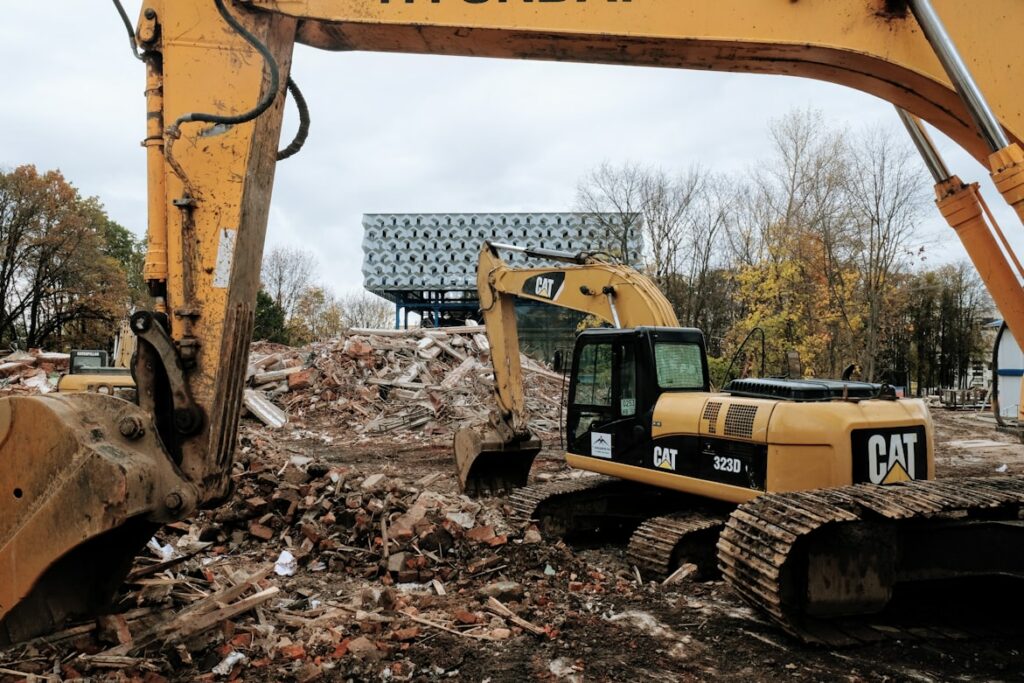
Before any renovation, maintenance, or demolition, a new inspection is essential. These activities can disturb hidden ACMs and release asbestos fibres, so a Demolition Asbestos Assessment (Division 6 Audit) may be required.
4. Disturbance or Damage of ACMs
The asbestos register and management plan must be immediately updated if:
- New asbestos is identified.
- Asbestos has been disturbed, removed, sealed, or enclosed.
- A natural disaster or other event may have damaged the materials.
5. Routine Asbestos Management
Regular visual “health checks” should be integrated into daily operations. Trained personnel should visually inspect common areas and plant rooms and report any suspected deterioration or damage immediately.
Recommended Asbestos Inspection Frequency
While regulations require a minimum five-year review, the safest and most compliant approach is to tailor inspection frequency to the specific risks of your building.
| Risk/Condition | Recommended Frequency |
| Low-risk ACM in good condition | Every 5 years |
| Moderate-risk ACM | Every 3 years |
| High-risk ACM or damaged materials | Every 12 months |
| Before renovations or demolition | Prior to work commencement |
Initial and Ongoing Asbestos Inspections
Initial Asbestos Inspection
If your building has never undergone a commercial asbestos inspection, arrange one immediately. This comprehensive assessment identifies and tests any suspected ACM, with samples analysed in NATA-accredited laboratories. The resulting report serves as the foundation for your asbestos register and management plan.
Periodic Asbestos Inspections
Once asbestos is confirmed, ongoing inspections must be scheduled. For older buildings or those with easily accessible ACM, more frequent reviews (every 1–3 years) are recommended.
Annual Asbestos Reviews and Health Checks
Global Asbestos Audits recognises that much can change over a 3–5-year period. That’s why we offer annual asbestos health checks — short, cost-effective reviews that help maintain up-to-date asbestos registers and management plans while reducing long-term risk.
Enquire about an Annual Asbestos Health Check.
Why Regular Asbestos Inspections Matter
Regular asbestos inspections are not just a legal requirement; they are a cornerstone of responsible building management. They:
- Protect occupants and contractors from exposure risks.
- Prevent costly remediation or fines due to non-compliance.
- Ensure early detection of material deterioration.
- Support safe maintenance, renovation, or demolition activities.
Partner with the Asbestos Experts
Managing asbestos safely requires expert knowledge and ongoing diligence. At Global Asbestos Audits, we specialise in:
- Division 5 Asbestos Audits (for management and risk assessment)
- Division 6 Asbestos Audits (for demolition and refurbishment)
- Creation of Asbestos Registers and Management Plans
Our qualified inspectors and NATA-accredited laboratories ensure your property remains compliant and your workplace safe.
The frequency of commercial asbestos inspections should never be left to chance. While legislation mandates a review every five years, proactive property owners and managers understand that regular risk-based inspections safeguard lives and ensure compliance.
Global Asbestos Audits provides comprehensive asbestos management solutions tailored to your building’s specific needs.
Protect your occupants, remain compliant, and stay informed by contacting Global Asbestos Audits today for expert asbestos inspections and management advice.