
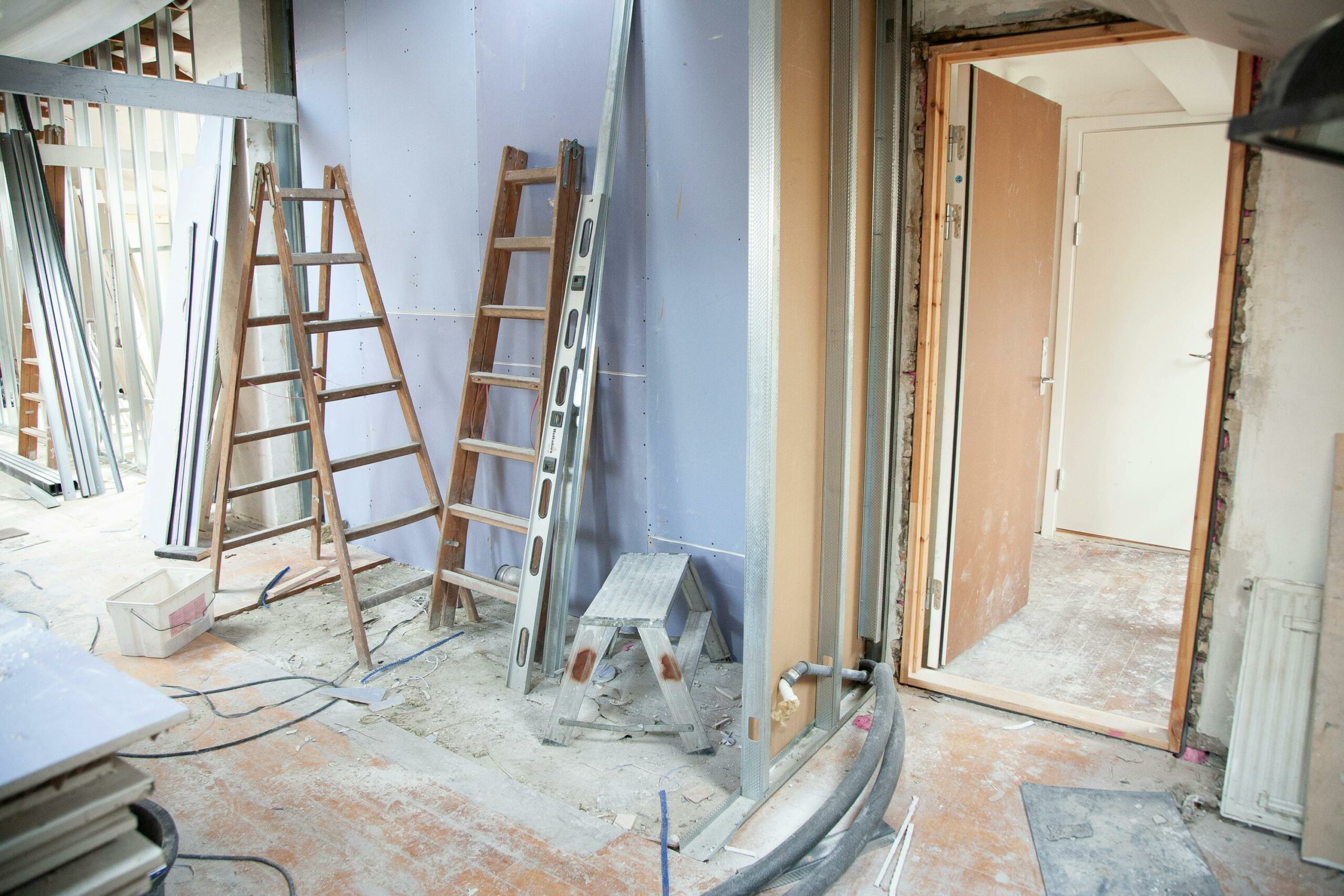
Cement sheeting is one of the most common materials in Australian buildings constructed before the early 1990s that may contain asbestos. Whether used for wall cladding, eaves, ceilings, or fences, older cement sheet products often contained asbestos fibres to improve strength and durability. Determining whether your property contains asbestos requires a professional inspection and documentation in an asbestos audit report, and is a legal requirement for all commercial buildings built before 31 December 2003.
In this article, we’ll explain how asbestos was used in cement sheeting, what the asbestos audit report reveals, and how Global Asbestos Audits helps commercial property owners stay compliant and safe.
Understanding Asbestos in Cement Sheeting
Between the 1940s and late 1980s, asbestos fibres were mixed with cement to create durable, fire-resistant sheets. These sheets were marketed under names such as Fibro, Hardiflex, and Super Six and were used extensively in commercial and residential buildings.
While asbestos cement products are generally stable when intact, cutting, drilling, or breaking them can release dangerous airborne asbestos fibres. Once inhaled, these fibres can cause serious diseases such as asbestosis, lung cancer, and mesothelioma.
For commercial properties, it’s not enough to assume materials are safe. Only a formal inspection with findings documented in an asbestos audit report can confirm and document the presence of asbestos-containing materials (ACM) and determine the associated risk.
What Is an Asbestos Audit Report?
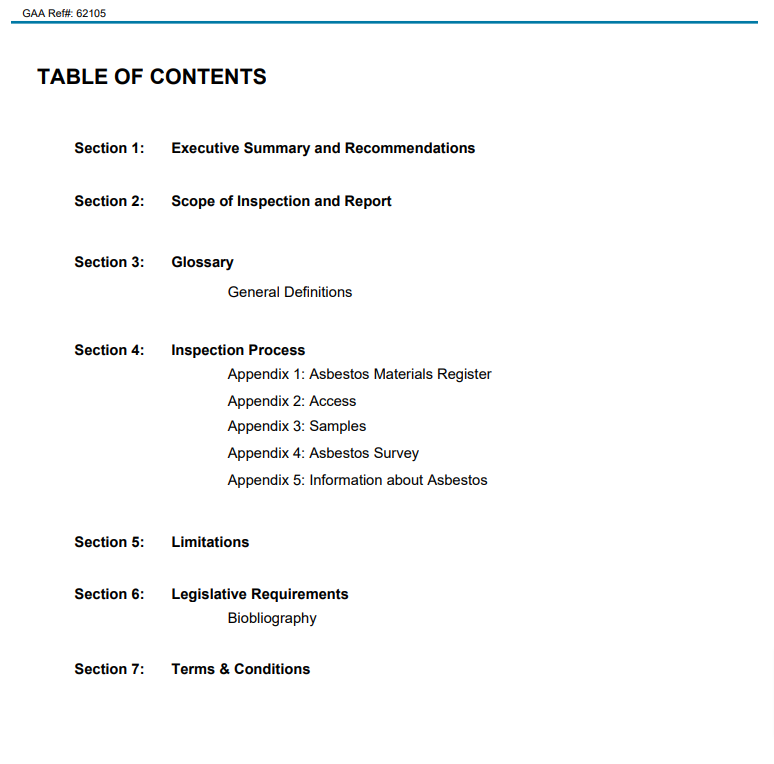
An asbestos audit report is a detailed assessment conducted by a qualified asbestos assessor to identify and record asbestos-containing materials in a property. This report is a cornerstone of legal compliance for workplaces and commercial buildings in Australia.
The report typically includes:
- Inspection findings – detailing the location, type, and condition of any suspected ACM.
- Sample analysis results – samples are tested in NATA-accredited laboratories to confirm asbestos presence.
- Risk assessment – categorising ACM as low, medium, or high risk based on the likelihood of disturbance.
- Photographic evidence and site map – showing where asbestos is located.
- Recommendations – outlining control measures, removal priorities, or encapsulation procedures.
This document forms the foundation for the Asbestos Register and Asbestos Management Plan, both of which are legally required for commercial properties with known ACMs.
Legal Requirements for Commercial Properties
Under Australian Work Health and Safety (WHS) and Occupational Health and Safety (OHS) regulations, every Person Conducting a Business or Undertaking (PCBU) must:
- Identify asbestos-containing materials through a professional audit.
- Maintain an Asbestos Register that records the location and condition of all known or suspected ACM.
- Develop an Asbestos Management Plan detailing how asbestos risks will be managed, monitored, or removed.
- Review and update these documents at least every five years, or sooner if ACMs are disturbed or removed.
If a building was constructed before 31 December 2003, an asbestos audit report is mandatory before any refurbishment, demolition, or maintenance work is carried out.
How Global Asbestos Audits Conducts an Asbestos Audit
At Global Asbestos Audits, our licensed assessors follow a systematic and compliant process to deliver accurate, actionable results:
- Site Inspection: We conduct a detailed visual assessment of all accessible areas, including walls, ceilings, plant rooms, and roof cavities. Also known as a Division 5 Asbestos Audit.
- Sample Collection: Small samples of suspected materials are safely collected and sent for laboratory testing. This is usually done during a Division 6 Asbestos Audit.
- Risk Assessment: Each ACM is rated according to its condition and potential for fibre release.
- Asbestos Audit Report: Our comprehensive report outlines findings, risk levels, photographic documentation, and next steps.
- Asbestos Register & Management Plan: We prepare these legal documents to ensure you meet your WHS obligations and maintain ongoing safe management.
Whether you’re managing a single commercial property or a national portfolio, our team ensures full compliance and peace of mind.
Why a Professional Asbestos Audit Is Essential
A professional asbestos audit report provides more than compliance; it safeguards people and property. Key benefits include:
- Legal protection: Demonstrates that duty of care obligations are met.
- Accurate identification: Prevents accidental exposure during maintenance or renovations.
- Informed decision-making: Enables precise planning for removal, encapsulation, or ongoing monitoring.
- Reduced risk and liability: Protects employees, contractors, and occupants from asbestos exposure.
Global Asbestos Audits: Trusted Experts in Asbestos Management
Global Asbestos Audits is a leader in asbestos risk management across Australia. Our services include:
- Division 5 Asbestos Audits for general management and compliance.Limited to visual inspection.
- Division 6 Asbestos Audits for demolition and refurbishment projects. This audit is generally more intrusive and includes asbestos sampling.
- Creation of Asbestos Registers and Management Plans.
- Air monitoring and clearance certificates following asbestos removal.
With extensive experience across industrial, commercial, and government sectors, we deliver high-quality reporting and compliance solutions that meet all WHS and environmental standards.
In Summary
Cement sheeting is one of the most common sources of asbestos in older buildings, and identifying it requires a detailed asbestos inspection and documentation in an asbestos audit report conducted by qualified professionals.
For building owners, managers, and PCBUs, ensuring asbestos safety isn’t optional; it’s a legal requirement. Partnering with Global Asbestos Audits guarantees accurate inspections, comprehensive reporting, and a proactive management approach that keeps your workplace safe and compliant.