
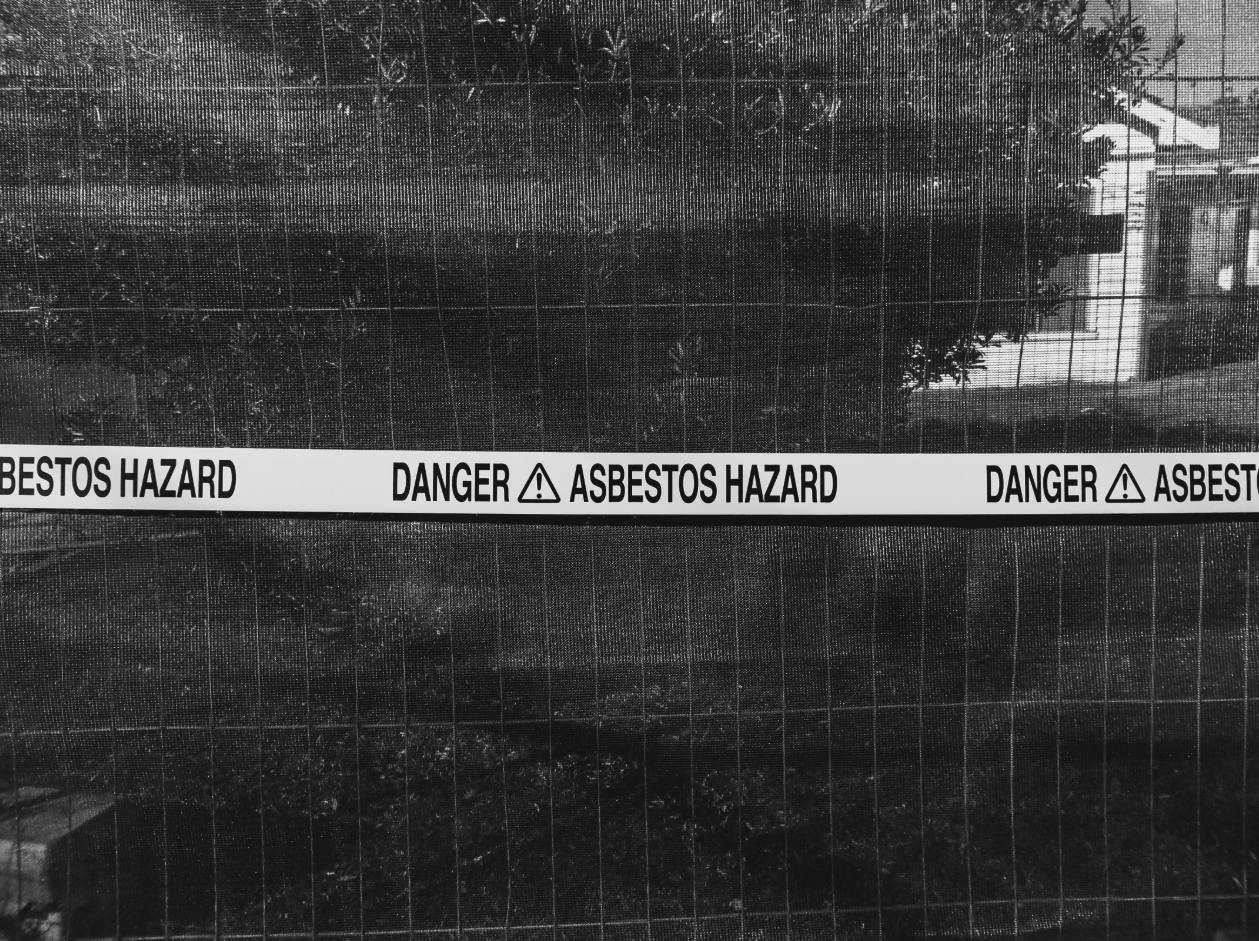
Anyone who has worked on or around older commercial buildings in Australia will be familiar with the sign: a simple statement, often in bold black text on a yellow or white background, reading “this building contains ACM” or “Danger Asbestos”. The sign is ubiquitous enough to be almost invisible to the people who pass it daily. Yet the regulatory obligation behind that sign, and the broader compliance framework it represents, is frequently misunderstood by the very property owners responsible for maintaining it.
This article examines what the signage requirement is intended to achieve and where commercial property owners commonly fall short in genuinely understanding their obligations.
The Legal Basis for Asbestos Signage
Under the Work Health and Safety Regulation, a person with management or control of a workplace where asbestos or ACM has been identified, or is assumed to be present, must ensure signage is displayed to warn people of that presence. The intent is straightforward: anyone entering the workplace, particularly a contractor, tradesperson, or emergency service worker, should be alerted to the presence of ACM before undertaking any activity that might disturb it. The signage is a control measure meant to prevent uninformed disturbance, not a decorative formality.
What the Sign Is Actually Meant to Communicate
The sign’s practical function is to prompt a pause and a question before work begins. A sign stating that a building contains ACM should direct the reader, whether that is an electrician, a plumber, or a cleaner, to consult the asbestos register before drilling, cutting, sanding, or otherwise disturbing the fabric of the building. The sign itself does not specify the location of the ACM within the building; that detail resides in the asbestos register and, where applicable, the asbestos management plan. A sign without an accessible, current register behind it is of limited practical value.
Common Misunderstanding One: Signage as a Substitute for an Asbestos Management Plan
A recurring misconception among commercial property owners is that appropriate signage discharges the broader duty to manage asbestos risk. Signage is one element of a layered system that should also include an asbestos register, and where the workplace is one to which the requirement applies, an asbestos management plan setting out how identified ACM will be monitored, maintained, and eventually removed. Signage without an underlying management framework addresses only the risk of uninformed disturbance by third parties; it does nothing to manage the material’s ongoing condition.
Common Misunderstanding Two: Treating Asbestos Compliance as a One-Off Task
Asbestos compliance is often treated as a one-off task, typically at the point of purchase or at the start of a lease, rather than an ongoing obligation. Materials deteriorate over time. A bonded ACM product that was in sound condition five years ago may now have been damaged by water ingress, physical impact, or general wear, substantially changing its risk profile. The regulations anticipate this through the requirement to periodically review the asbestos register and management plan, generally understood to occur at least every five years or sooner if circumstances change.
Common Misunderstanding Three: Confusing Ownership with Responsibility
Commercial leasing arrangements can obscure who actually holds the duty to manage asbestos risk, but the regulatory framework is deliberately designed to prevent that ambiguity. The concept of a PCBU (person conducting a business or undertaking) exists precisely so responsibility cannot be contracted away or shifted from one party to another. In a typical commercial lease, both the property owner (and/or commercial property agent) and the tenant are independently PCBUs, and both carry duties that exist regardless of what the lease agreement says about who pays for what.
The sign stating that a building contains ACM is a visible marker of a much larger set of obligations that commercial property owners must understand and maintain. Genuine compliance requires an accurate, current asbestos register; a management plan where applicable; clarity on who holds responsibility under any lease arrangement; and a commitment to periodic review rather than a single point-in-time assessment. Property owners who treat the sign as the end of their obligations, rather than a visible reminder of an ongoing duty, are likely operating with a false sense of compliance.
Global Asbestos Audits has the experience, expertise and knowledge to guide you through your compliance obligations.
We welcome your initial enquiry and questions.